Torn Paper New Wave Poster
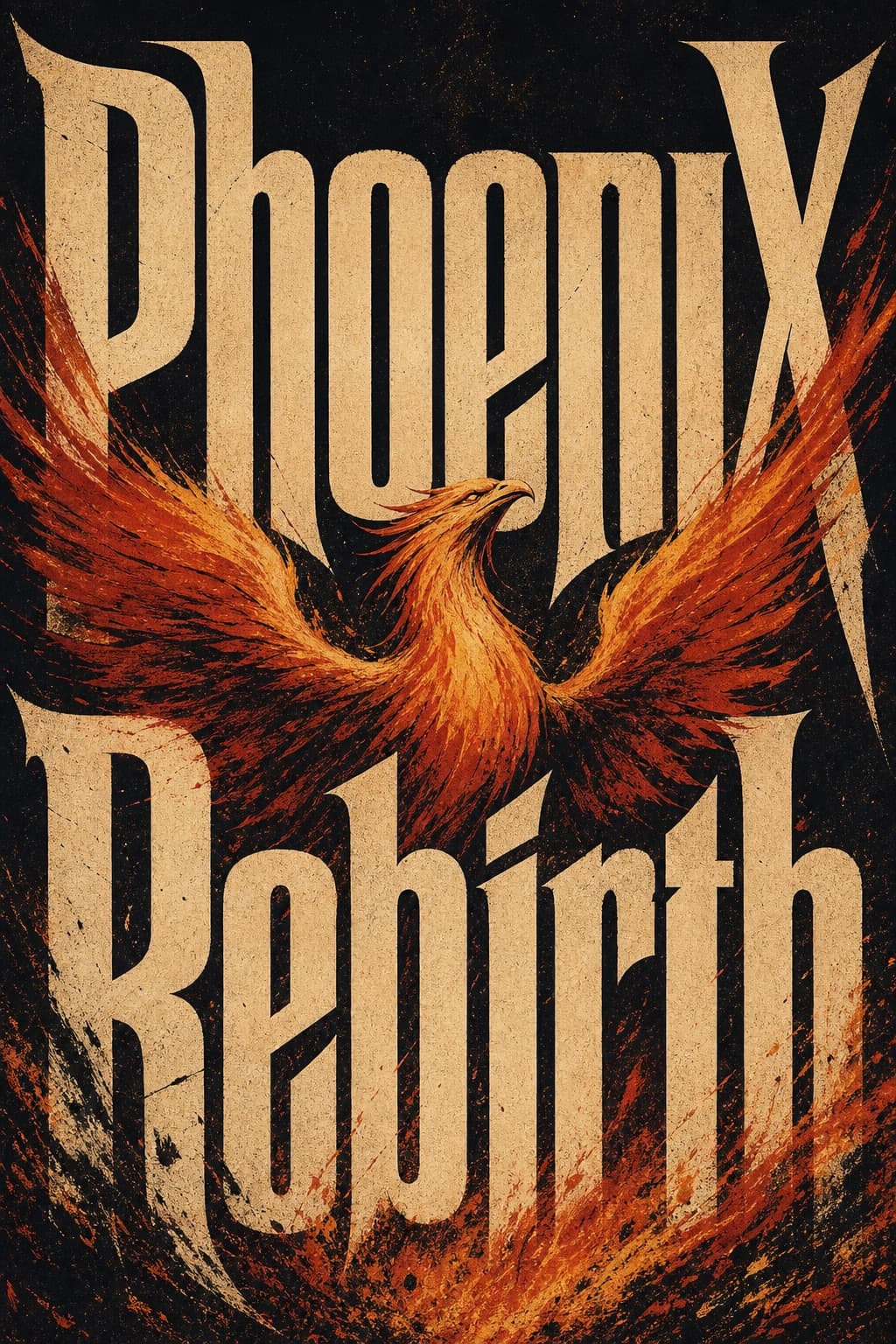
A raw, collage-style vertical poster inspired by 1960s European art-house cinema, blending photocopy grain, torn paper, and bold typography.
Budget models do not render typography reliably; this case needs a higher tier.
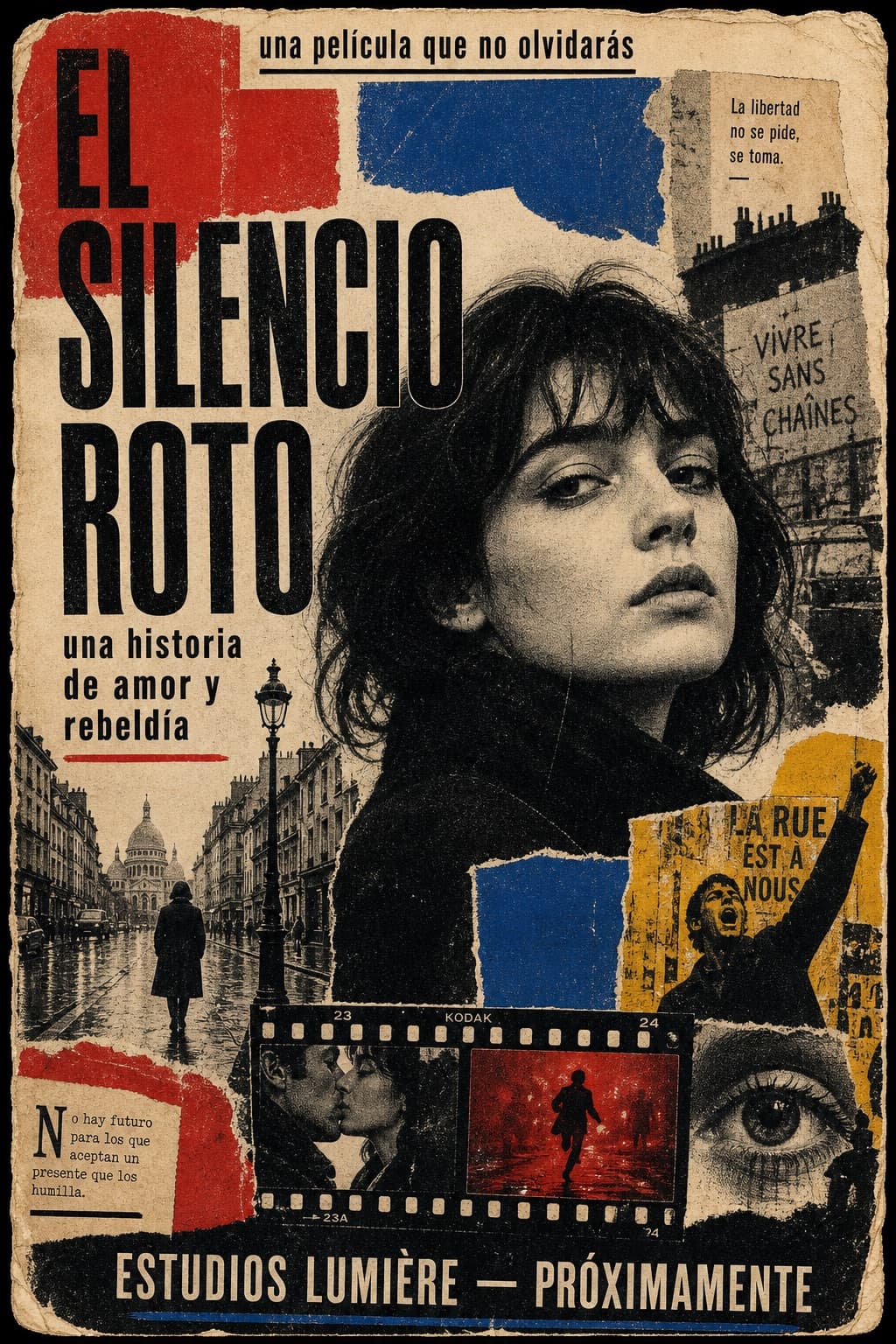
Image generated by us with gpt-image-2. Prompt by @bananaprompts
Prompt
Create a vertical poster composition on aged cream paper with a handmade analog feel. Use rough ripped paper edges, layered magazine cutouts, photocopy grain, halftone texture, ink bleed, and slightly imperfect screen-print registration. Keep the subject as the main black-and-white photographic portrait, placed prominently in the center or upper center. Surround the subject with graphic blocks of deep red, cobalt blue, warm yellow, black, and ivory. Add supporting collage fragments such as a rainy European street, film-strip borders, newspaper clippings, urban silhouettes, and cinematic details, arranged like a handmade 1960s art-house movie poster. Use bold condensed typography with a strong visual hierarchy. Add large headline text: "[MAIN_TITLE]". Add smaller subtitle text: "[SUBTITLE]". Add bottom text: "[BOTTOM_TEXT]". If needed, include a small top line reading "[TAGLINE]". The final result should feel cinematic, intellectual, rebellious, and editorial — like a lost 1960s European film poster with a strong point of view. Keep it raw, tactile, printed, imperfect, and handmade. Avoid a glossy modern finish.
4 placeholders still empty. Copied as is, the generator will draw the brackets literally inside the image.
Editable variables
Change any value and the prompt rewrites above. Copy the finished result.
Large headline text displayed prominently on the poster, typically the film or event title.
Smaller supporting text placed below the main title, often a short descriptive phrase.
Bottom line text indicating the production name, event name, release status or date.
Optional small line of text at the top of the poster, used as a short evocative tagline.
Generate the image here
With your own OpenAI key. Free for us, and what you spend is yours.
Kept in this browser only and sent straight to OpenAI's API: it never passes through a server of ours, because there is no server of ours in between. Check it yourself in the network tab.
Fill in the remaining variables before generating, or the model will draw the brackets.