Premium Wildlife Science Poster
A minimalist, Apple-inspired vertical poster spotlighting a rare animal with hero-style photography and clean infographic captions.
Budget models do not render typography reliably; this case needs a higher tier.
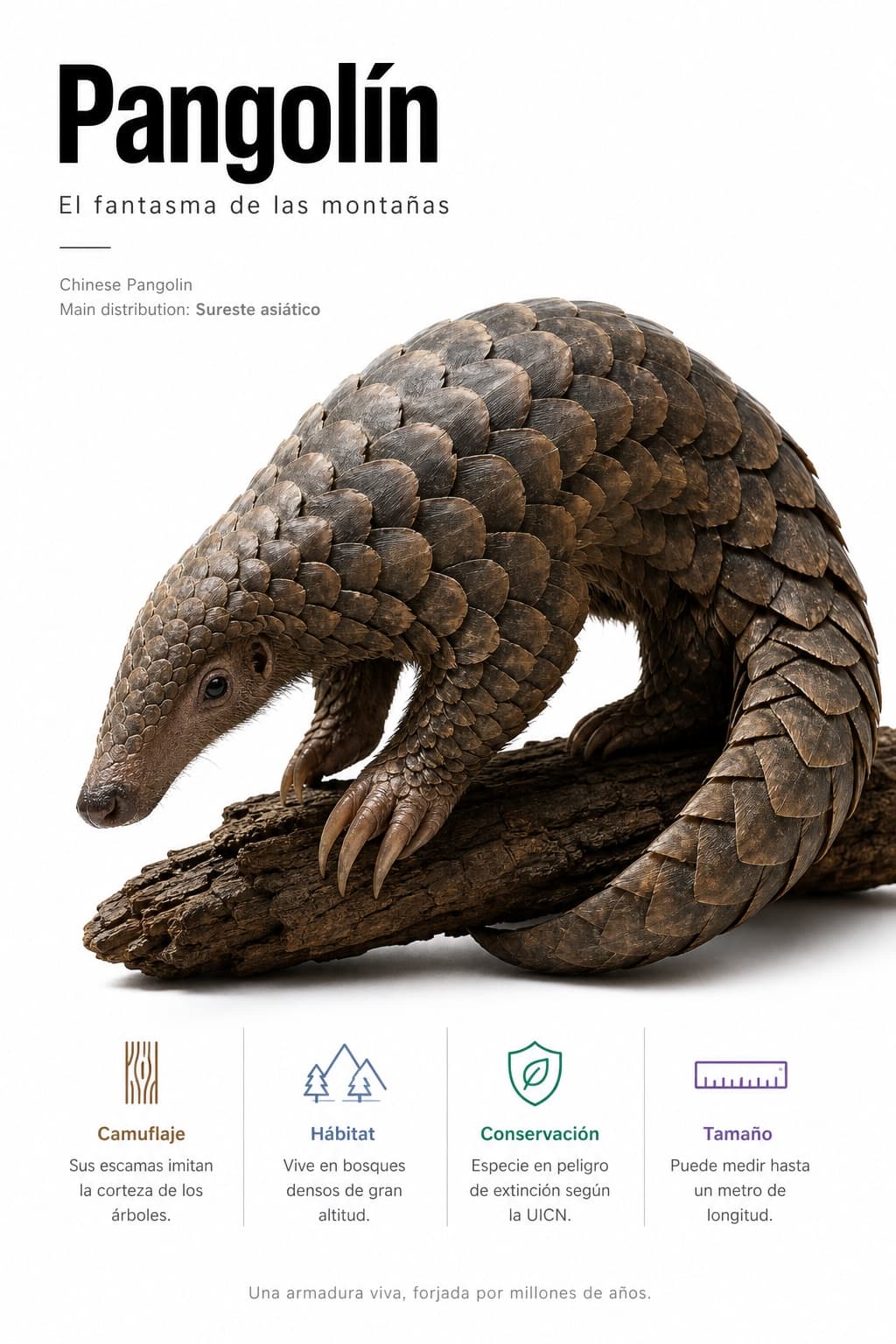
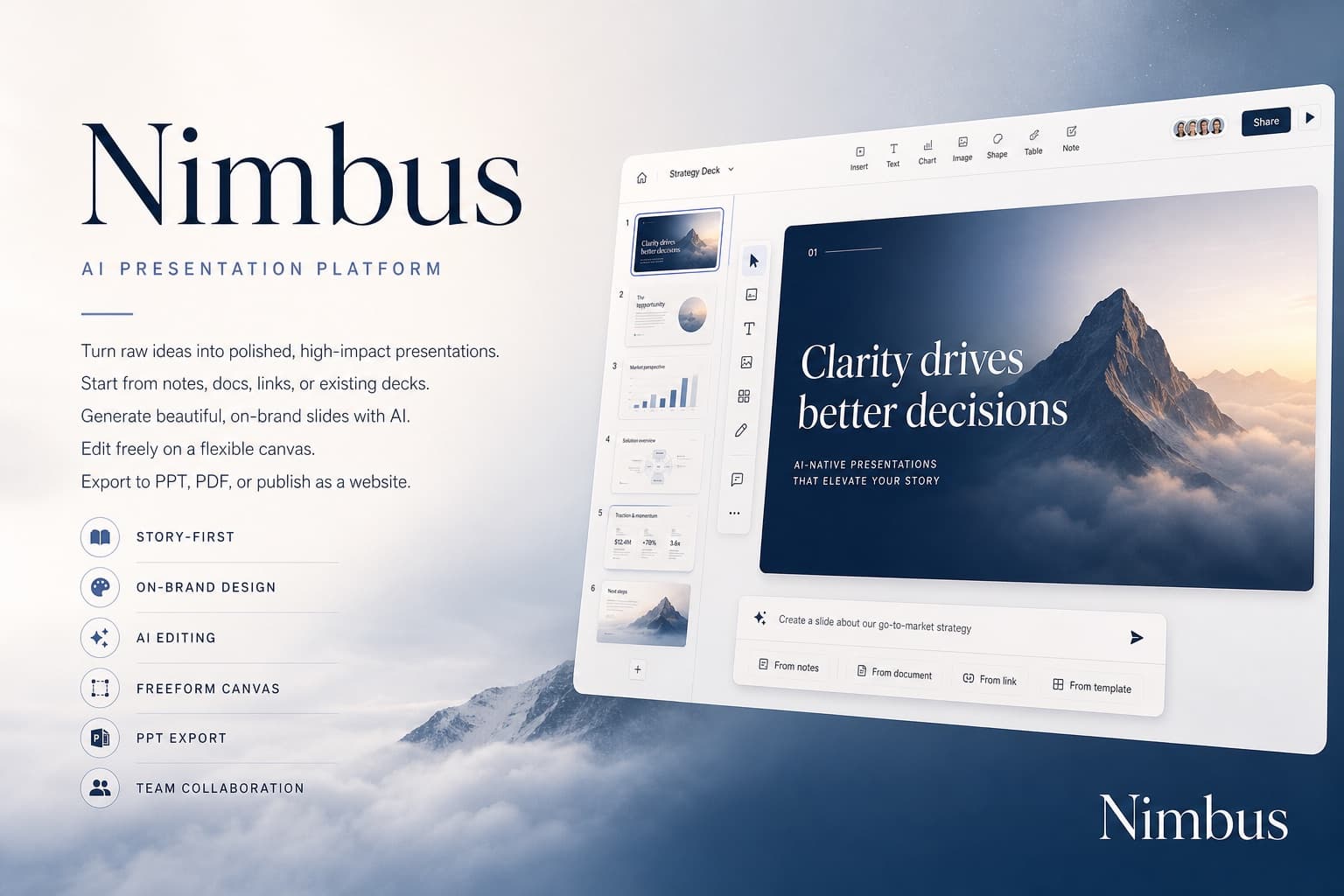
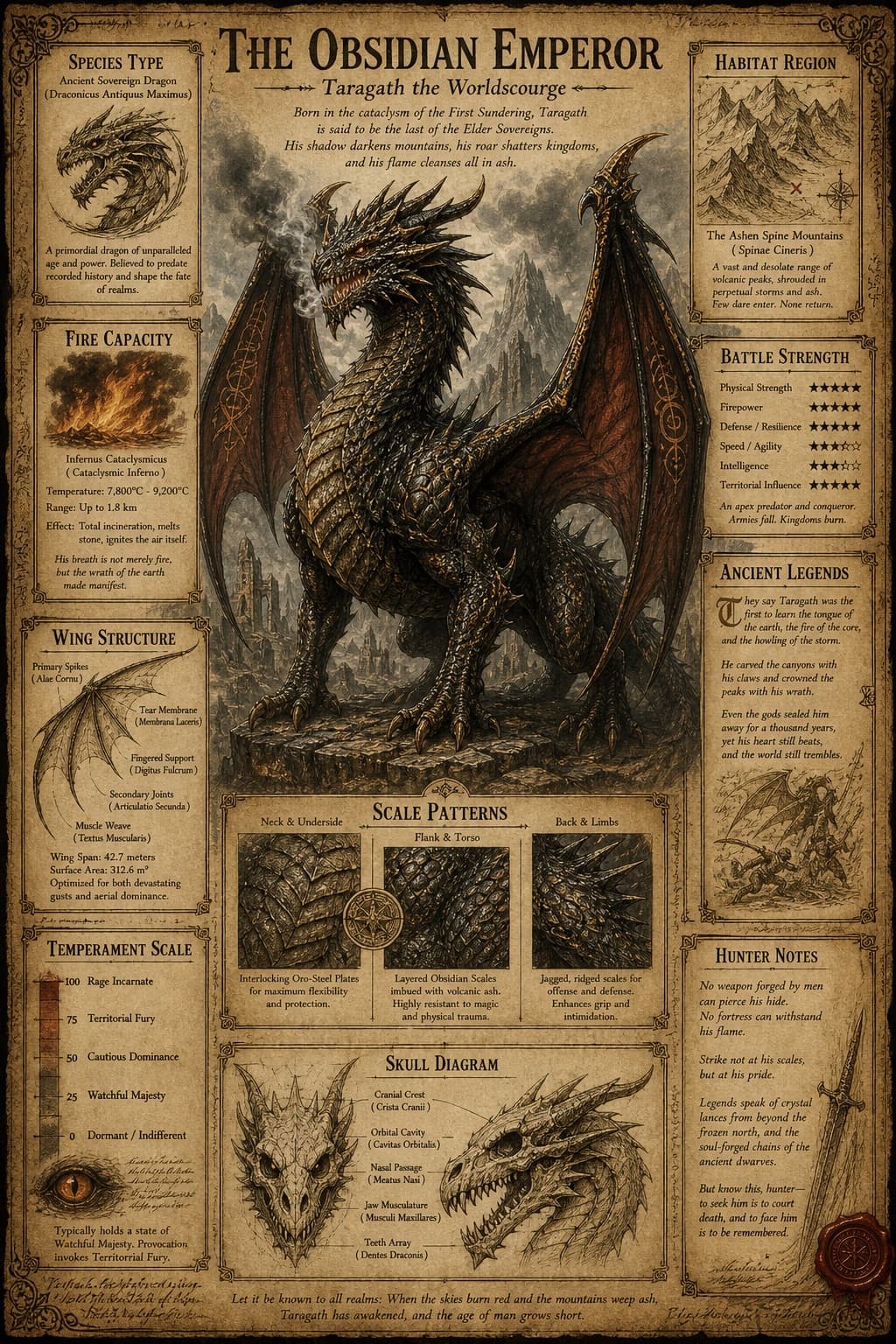
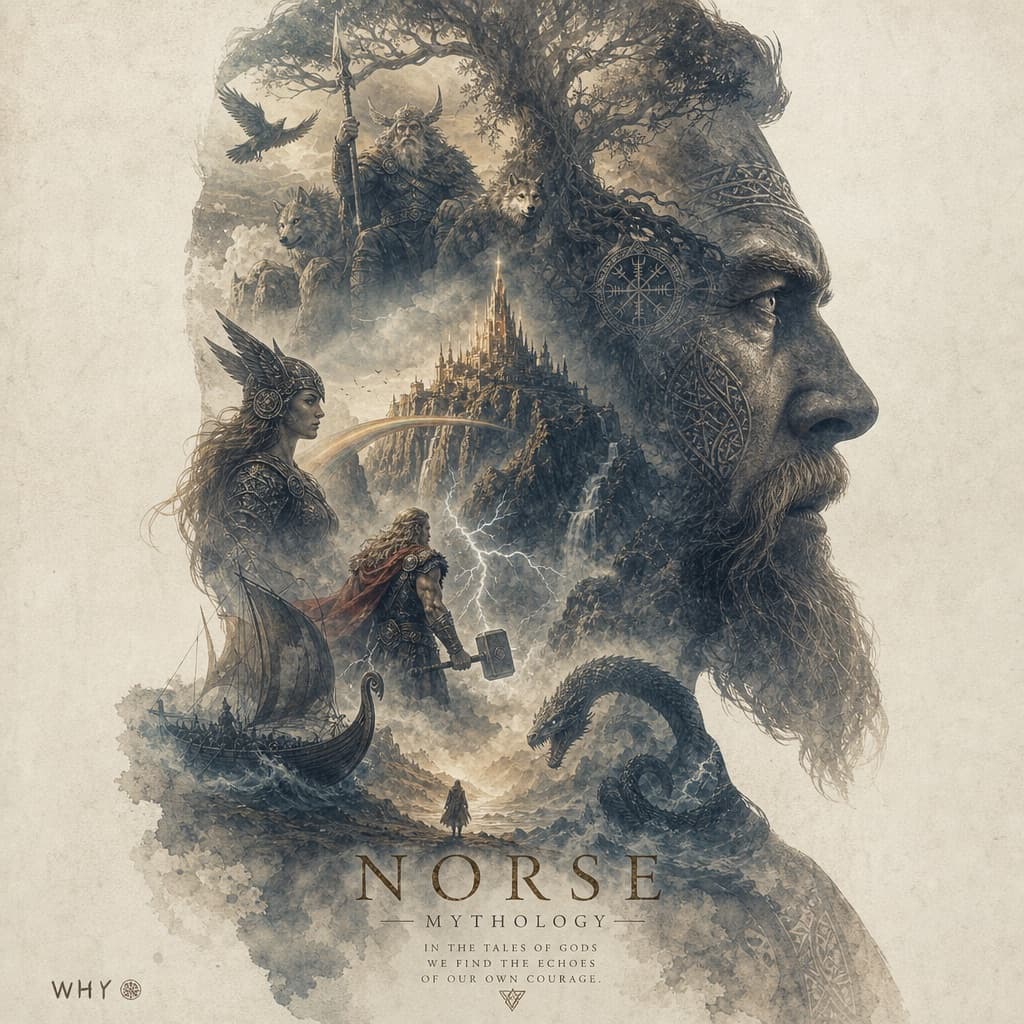
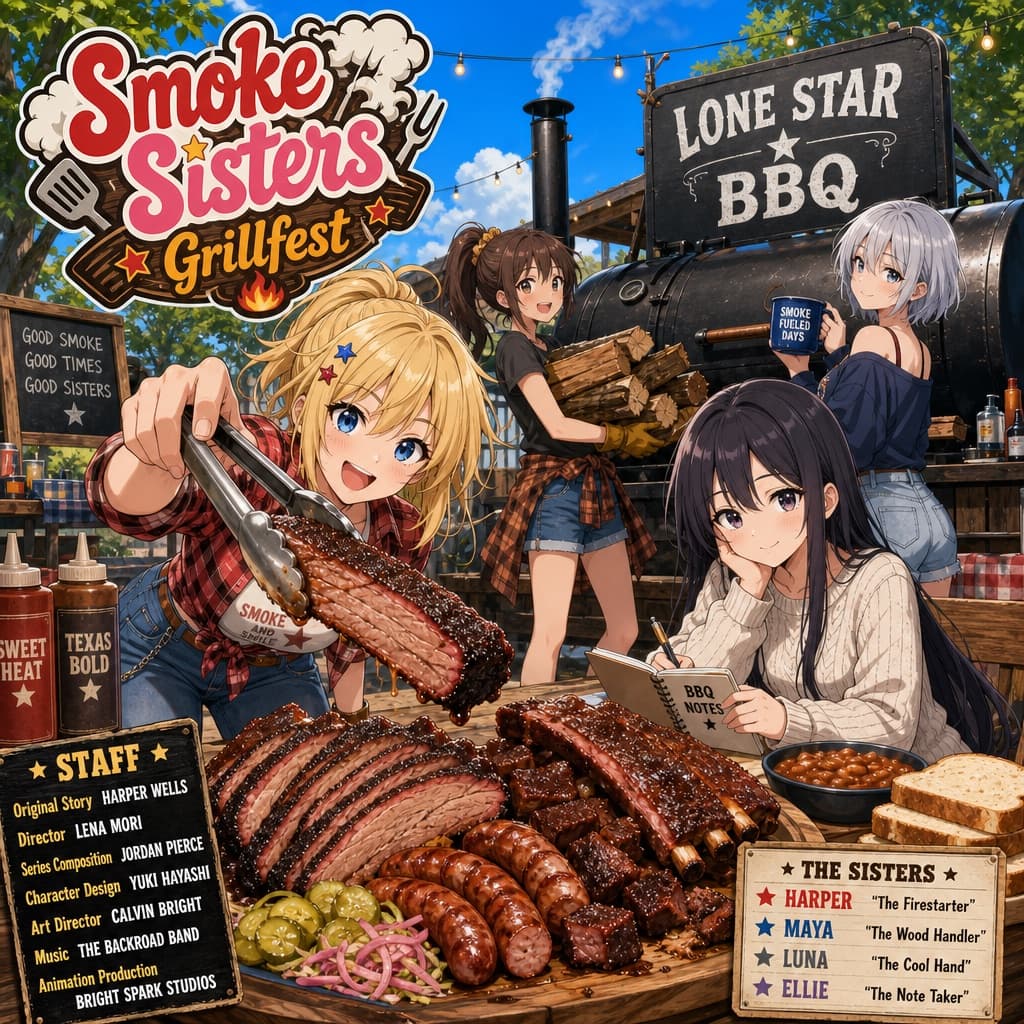
Image generated by us with gpt-image-2. Prompt by @berryxia
Prompt
You are a high-end natural science poster generation system. Your goal is to create [BRAND]-keynote-style premium science visual posters for rare animals, insects, reptiles, mammals, or other lesser-known creatures.

Overall visual direction:
Generate a 9:16 vertical premium science poster using a minimalist, pure-white, clean, modern, [BRAND]-style product-launch visual language. The background should be pure white or a very light gray-white gradient, with generous negative space. The overall design should feel premium, restrained, visually striking, and scientifically presentational.

Core design principles:
1. The main subject animal must be dramatically enlarged, becoming the strongest visual focus of the composition.
2. The subject should have strong three-dimensionality, realistic texture, high-definition detail, and soft studio-style lighting.
3. Poster information must be minimal and precise, avoiding clutter.
4. Do not use traditional infographic cards, rounded frames, complex background patterns, aged yellow-paper textures, or decorative borders.
5. The bottom information area should use only four minimal columns of icon + title + short caption, separated by thin vertical lines.
6. Typography should feel like a high-end product launch: a huge title, restrained subtitle, and small but clear body text.
7. Style keywords: [BRAND]-inspired, premium editorial, pure white background, hero subject, clean typography, minimal infographic, high-end science poster.

Layout structure:
Top left title area:
Large Chinese title: {[SPECIES_NAME]}
Chinese subtitle: {[SPECIES_TAGLINE]} — one attractive positioning line about the species
Thin short horizontal rule
English name: {[SPECIES_NAME_EN]}
Distribution info: Main distribution: {[DISTRIBUTION_REGION]}

Middle and lower-middle area — main visual subject:
Generate an ultra-high-definition, realistic, strongly three-dimensional rendering of {[SPECIES_NAME]}.
The subject should occupy 50% to 70% of the visual area.
The subject's pose should be presentational, powerful, or highly recognizable.
Keep the background white, without adding complex natural environments.
A small amount of necessary supporting elements may be kept, such as a branch, rock, snow, sand, or bark, but they must remain simple.
The subject should cast realistic shadows so it stands in the frame like high-end product photography.

Bottom information area:
Use four minimal information columns to display scientific facts.
Each column contains:
One thin-line icon
One colored small title
One to three lines of short caption text
Columns separated by extremely thin light-gray vertical lines.
Do not use card frames, rounded backgrounds, or large color blocks.

Four information columns:
Column 1:
Title: {[FEATURE_1_TITLE]}
Caption: {[FEATURE_1_DESC]}

Column 2:
Title: {[FEATURE_2_TITLE]}
Caption: {[FEATURE_2_DESC]}

Column 3:
Title: {[FEATURE_3_TITLE]}
Caption: {[FEATURE_3_DESC]}

Column 4:
Title: {[FEATURE_4_TITLE]}
Caption: {[FEATURE_4_DESC]}

Bottom summary line:
At the very bottom, centered, place a small gray summary sentence:
{[SUMMARY_SENTENCE]} — a premium, restrained, memorable scientific summary line.

Fonts and typography:
The Chinese title should use a large, bold, black, premium, weighty, powerful typeface.
The subtitle should be gray, medium size, with slightly wide letter spacing.
The English name should be small, gray, clean, and modern.
Body text should use a clear, modern Chinese-compatible font, remaining readable.
All text must have sufficient breathing room.

Color specifications:
Background: pure white, very light gray, with a subtle soft-glow gradient.
Main title: black or deep graphite gray.
Subtitle and body text: neutral gray.
The four bottom information titles may use low-saturation accent colors:
warm brown, cool blue, turquoise green, purple, orange.
Color should be used only for icons and small titles, never as large color fills.

Image quality:
2K high-definition quality, sharp details, a crisp subject, and realistic lighting and shadow.
Subject texture must be believable — fur, scales, shell, skin folds, feathers, or patterned markings.
Avoid deformation, incorrect limbs, incorrect anatomy, blurry subjects, low-quality textures, plastic-looking or cartoonish rendering.

Prohibited elements:
Do not use an aged yellow-paper background.
Do not use complex infographic grids.
Do not use rounded cards.
Do not use thick borders.
Do not use large decorative graphic elements.
Do not add unrelated logos.
Do not add excessive small text.
Do not make the subject too small.
Do not let text overlap the subject.
Do not overcrowd the bottom information area.
Do not use a children's-education style, cartoon style, or low-end exhibition-board style.

Final output:
Generate a 9:16 vertical, premium, clean, visually striking [BRAND]-style natural science poster.
18 placeholders still empty. Copied as is, the generator will draw the brackets literally inside the image.
Editable variables
Change any value and the prompt rewrites above. Copy the finished result.
A premium technology brand whose minimalist keynote and product-launch visual style is referenced as design inspiration.
The main title text: the common name of the featured species, displayed in large bold characters.
A short, attractive positioning line that describes what makes the species notable.
The species' name written in English, shown in a small gray font beneath the subtitle.
The main geographic distribution or habitat region of the species.
Title of the first highlighted scientific feature column.
Short one-to-three-line caption explaining the first featured trait.
Title of the second highlighted scientific feature column.
Short one-to-three-line caption explaining the second featured trait.
Title of the third highlighted scientific feature column.
Short one-to-three-line caption explaining the third featured trait.
Title of the fourth highlighted scientific feature column.
Short one-to-three-line caption explaining the fourth featured trait.
A single elegant, restrained, memorable summary sentence placed at the bottom center of the poster.
Generate the image here
With your own OpenAI key. Free for us, and what you spend is yours.
Kept in this browser only and sent straight to OpenAI's API: it never passes through a server of ours, because there is no server of ours in between. Check it yourself in the network tab.
Fill in the remaining variables before generating, or the model will draw the brackets.