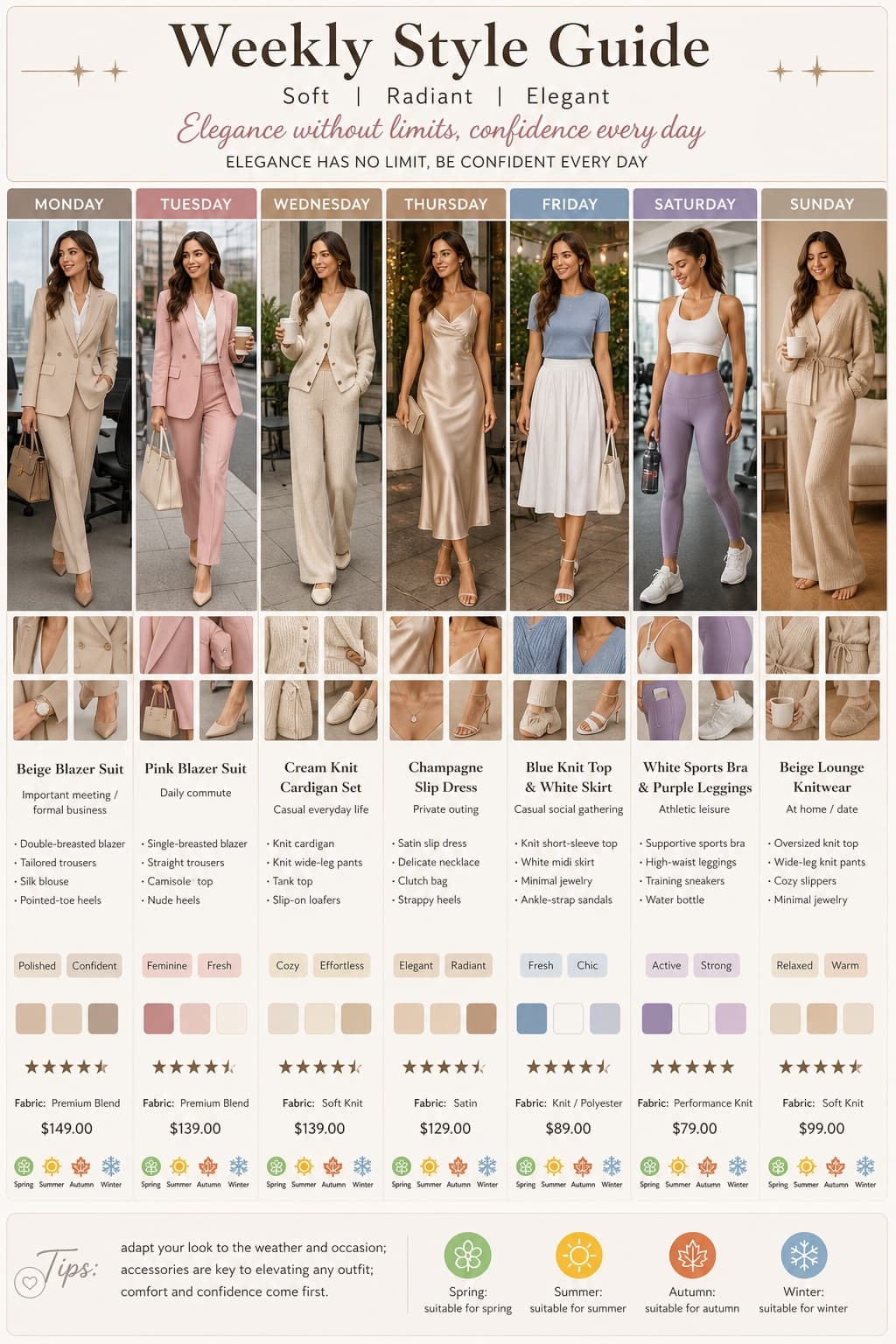
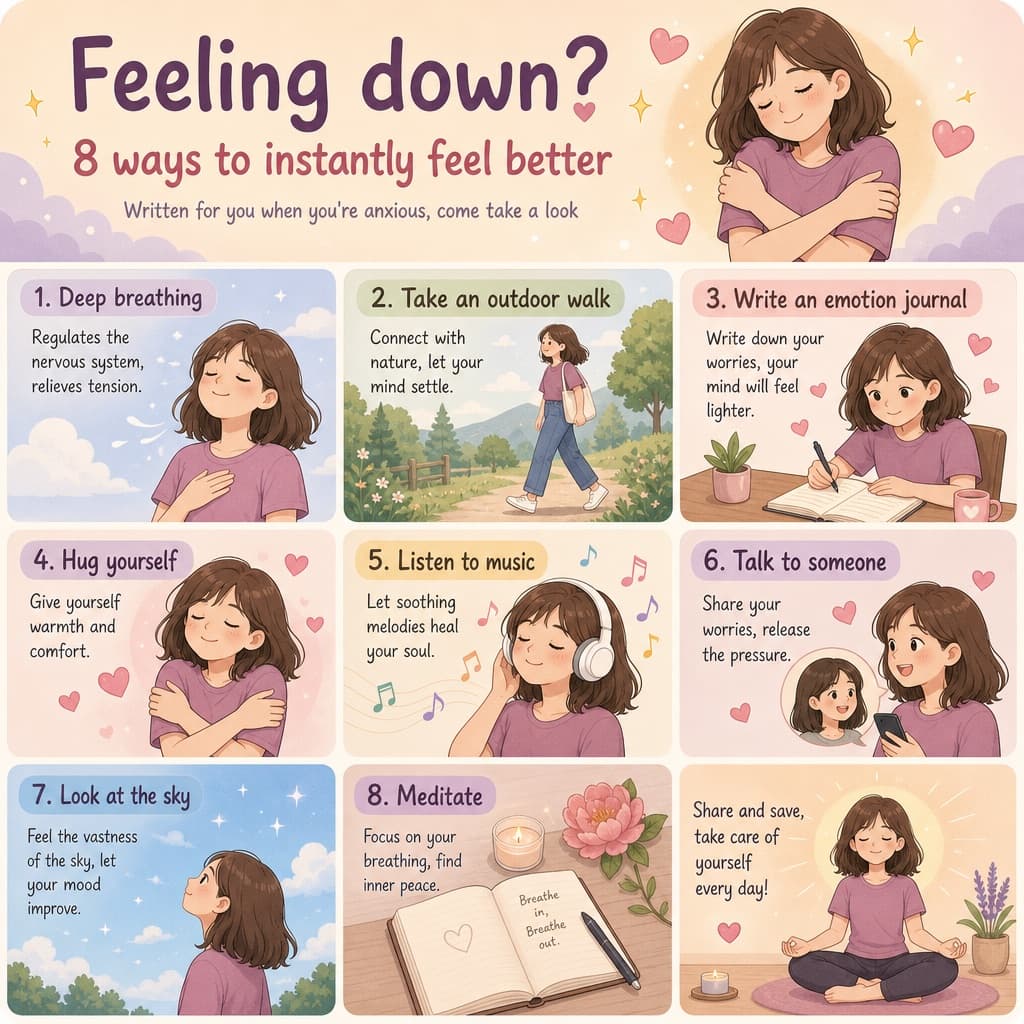
Chinese Fitness Training Infographic
A vertical Chinese-language fitness infographic detailing warm-up, main exercises, progression path, alternatives, and recovery tips.
Budget models do not render typography reliably; this case needs a higher tier.
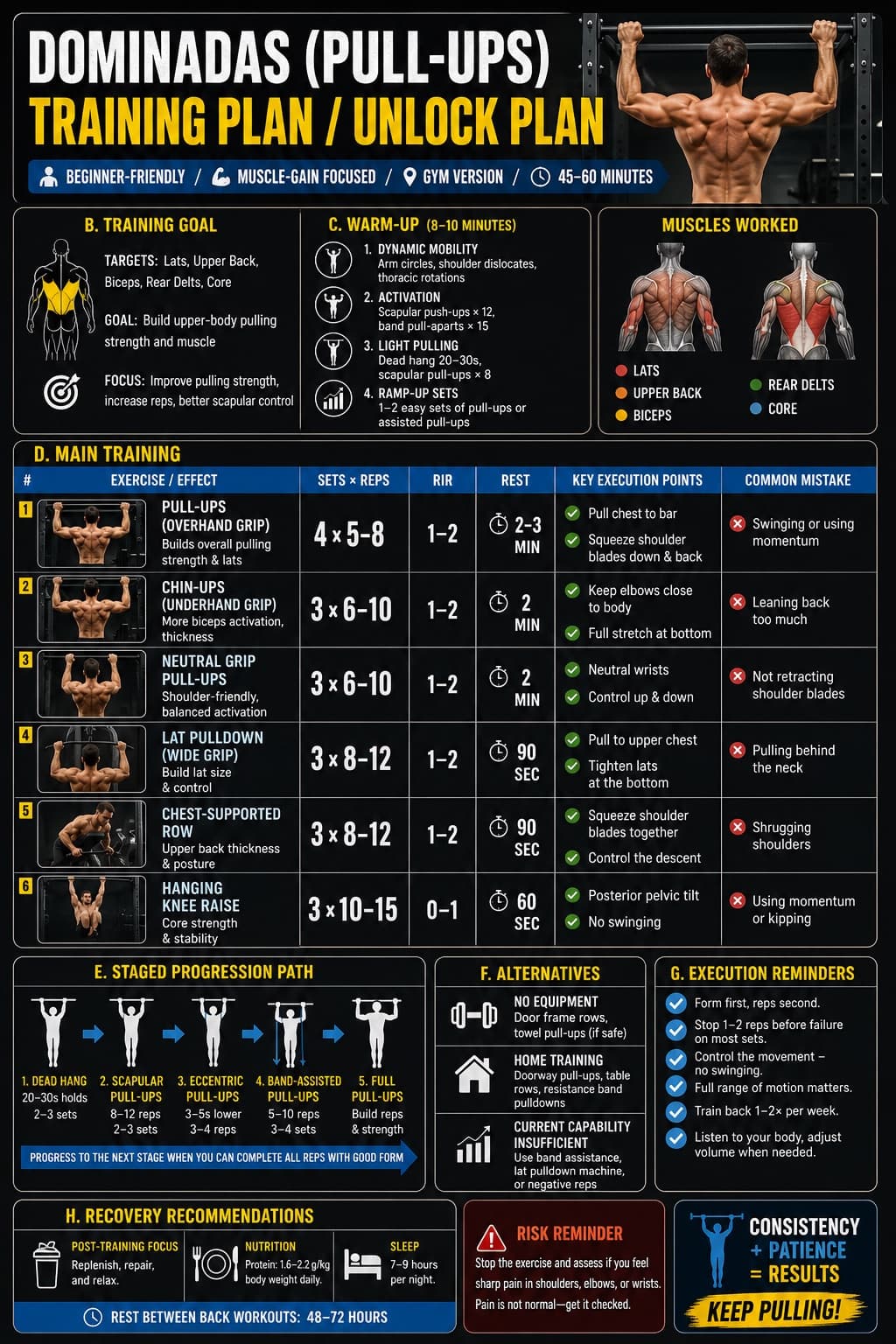
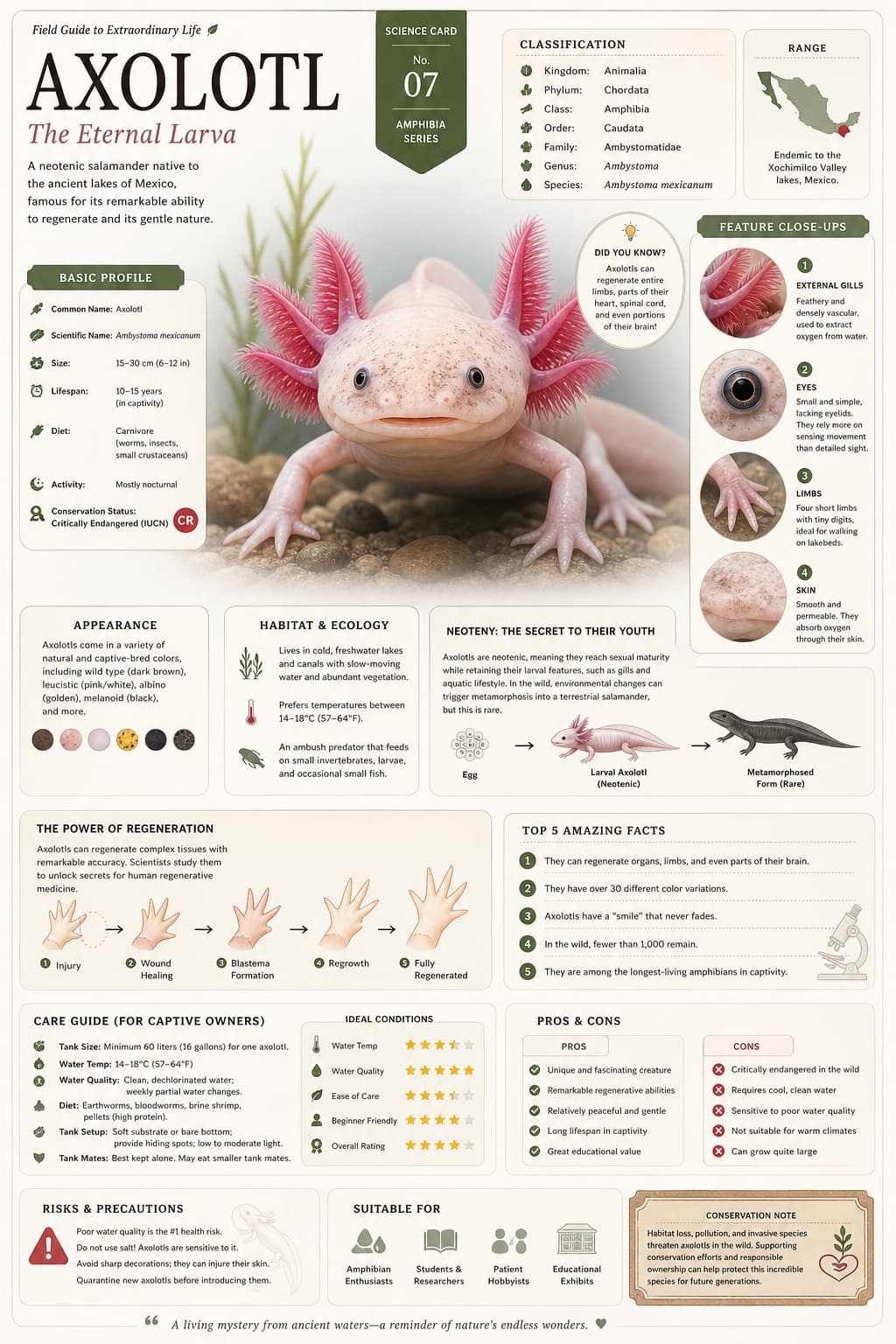
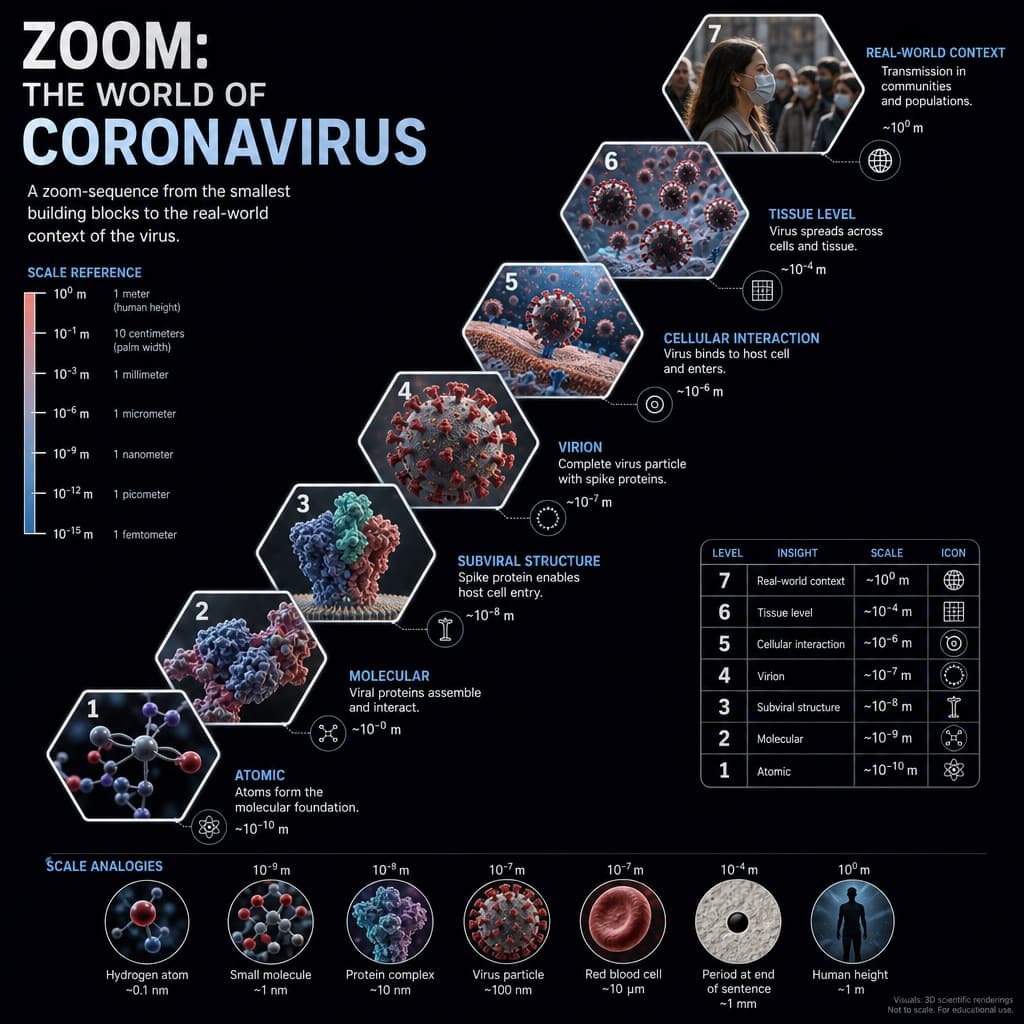
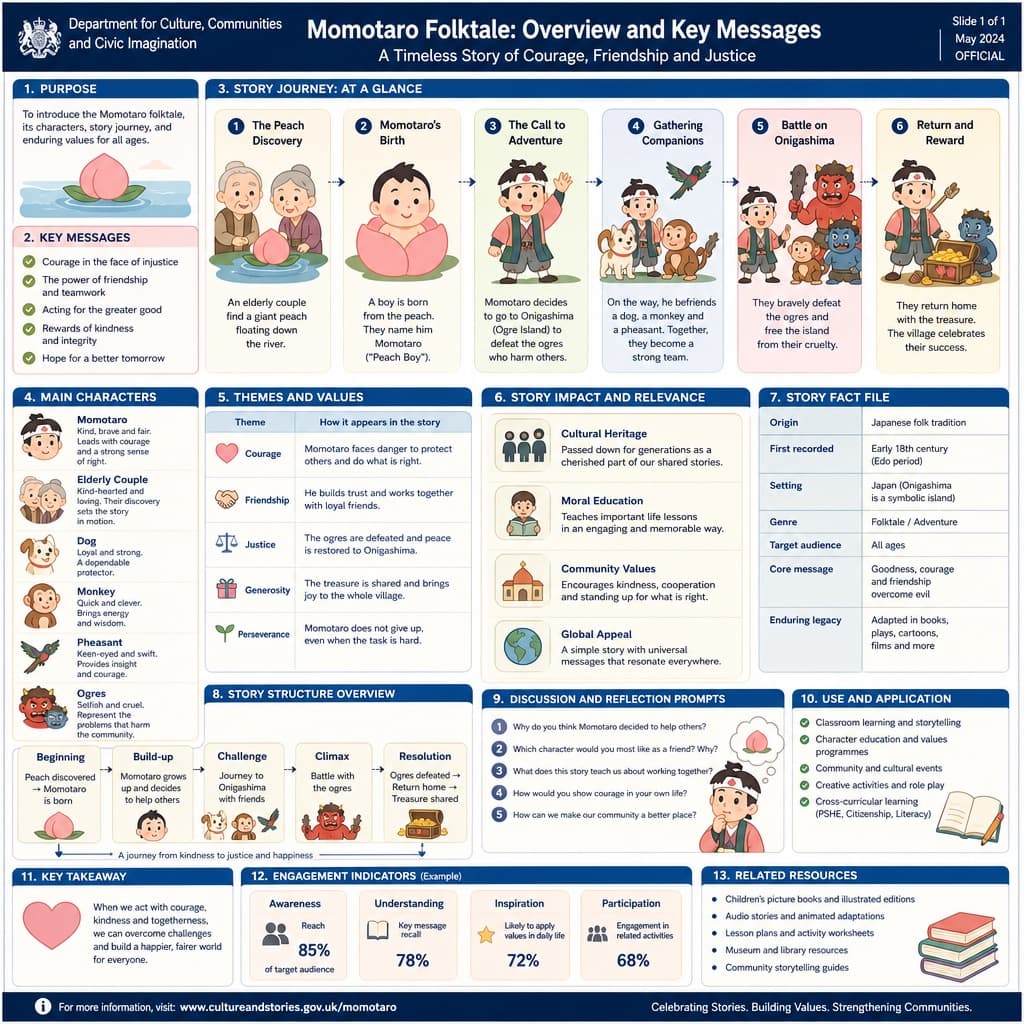
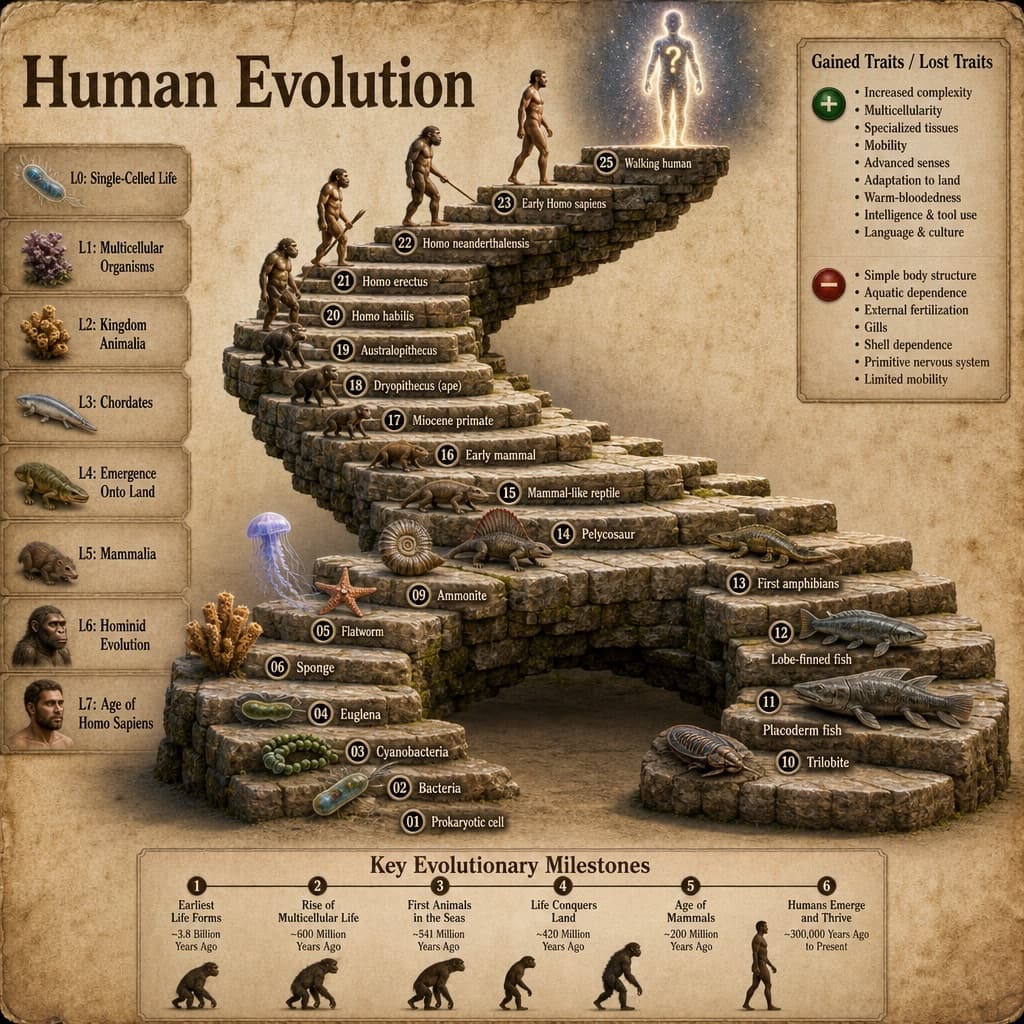
Image generated by us with gpt-image-2. Prompt by @MrLarus
Prompt
Generate a [LANGUAGE] fitness infographic on the topic: [TRAINING_TOPIC].

The image must be both professional and practical, suitable as a training reference for an average healthy adult. Default assumptions: the subject is a healthy adult with no serious injuries; unless otherwise specified, the default training goal is 'muscle gain + basic strength improvement', the default training level is 'beginner to intermediate', the default training setting is 'a standard gym', and the default single-session duration is 40-60 minutes.

Based on the [TRAINING_TOPIC], automatically determine the output type:

1) If the [TRAINING_TOPIC] is a muscle group or body part (e.g., chest, lats, biceps, abs, shoulders, legs), output a 'training plan infographic for that body part'.
2) If the [TRAINING_TOPIC] is a movement or skill goal (e.g., pull-up, push-up, dips, squat), output a 'movement unlock / progressive training plan infographic'.

The overall design should be a clear, modern, professional, easy-to-read [LANGUAGE] infographic in vertical (portrait) layout, visually clean, with clear emphasis, suitable for social media sharing or as a training reference card. Avoid long paragraphs of text — present each module in concise short phrases, with key numbers prominently displayed.

The infographic must include the following sections:

[A. Title Area]
- Main title: directly state '[TRAINING_TOPIC] Training Plan / Unlock Plan'
- Subtitle: automatically add target audience, goal, training setting, and recommended duration
Example: 'Beginner-friendly / Muscle-gain focused / Gym version / 45 minutes'

[B. Training Goal Area]
Briefly explain:
- What this session primarily targets
- The main goal (muscle gain / strength / skill unlock / core control, etc.)
- The primary stimulus or capability improvement focus of this session

[C. Warm-up Area]
Provide 2-4 warm-up suggestions, listed concisely, for example:
- Dynamic mobility
- Target muscle activation
- Light-weight warm-up sets
Each item may include one short explanatory note.

[D. Main Training Area]
This is the core section. List 4-6 main training exercises.
Each exercise must include the following information:
- Exercise name
- Training effect / target area
- Sets × reps (or duration)
- RIR recommendation
- Rest time between sets
- Key execution points (1-2 items)
- Common mistake (1 item)

Ensure the exercise arrangement is sensible:
- Compound movements first, isolation movements later
- Overall training volume should be moderate
- Avoid overly extreme training for beginners
- Main lifts typically suggest RIR 1-3
- Isolation exercises may suggest RIR 0-2
- For abs or core exercises, 'seconds / reps' format may be used
- For skill-based movements, prioritize the order of 'prerequisite capability movement + transition movement + target movement attempt'

[E. Progression / Unlock Logic Area]
Auto-generate based on the topic:
- If it's a muscle-group session: write 'How to progressively overload', e.g., increase weight after reaching the rep ceiling, prioritize proper form, etc.
- If it's a movement unlock: write 'Staged progression path', e.g., from dead hang, scapular pull, eccentric training, band-assisted, to full standard movement completion

[F. Alternative Exercises Area]
Provide 2-3 alternative exercises for the following situations:
- No equipment available
- Home training
- Current capability insufficient
- Unable to perform certain movements

[G. Execution Reminders Area]
Provide 4-6 concise reminders, for example:
- Proper form takes priority over weight
- Do not train to failure on every set
- Allow 48-72 hours of rest for the same muscle group
- Pain does not equal proper muscle engagement
- Reduce training volume when sleep is insufficient

[H. Recovery Recommendations Area]
Briefly explain:
- Post-training recovery focus
- Protein / sleep / recovery interval recommendations
- One risk reminder sentence (e.g., stop and assess if there is noticeable pain)

[I. Visual Design Requirements]
- Single-page [LANGUAGE] infographic
- Vertical (portrait) layout
- Modern, clean, professional style with a strong fitness feel
- Modular card-based layout
- Key numbers (sets, reps, RIR, rest) must be visually prominent
- May include simple icons such as muscle-group diagrams, dumbbells, barbells, pull-up bar, etc.
- Colors should feel premium, clean, and dynamic/sporty
- Text in [LANGUAGE] must be clear, accurate, and legible
- Avoid excessive decoration; emphasize practicality and executability

The final output must be 'a complete infographic composition', not just a plain block of text.
9 placeholders still empty. Copied as is, the generator will draw the brackets literally inside the image.
Editable variables
Change any value and the prompt rewrites above. Copy the finished result.
The fitness training topic: either a muscle group/body part or a movement/skill goal to build the infographic around.
The language in which all text inside the image (titles, labels, body text) must be written.
Generate the image here
With your own OpenAI key. Free for us, and what you spend is yours.
Kept in this browser only and sent straight to OpenAI's API: it never passes through a server of ours, because there is no server of ours in between. Check it yourself in the network tab.
Fill in the remaining variables before generating, or the model will draw the brackets.