Cartel científico premium de fauna
Un cartel vertical minimalista inspirado en estilo premium que destaca a un animal poco común con fotografía de producto e información breve.
Los modelos económicos no renderizan tipografía de forma fiable; este caso necesita un nivel superior.
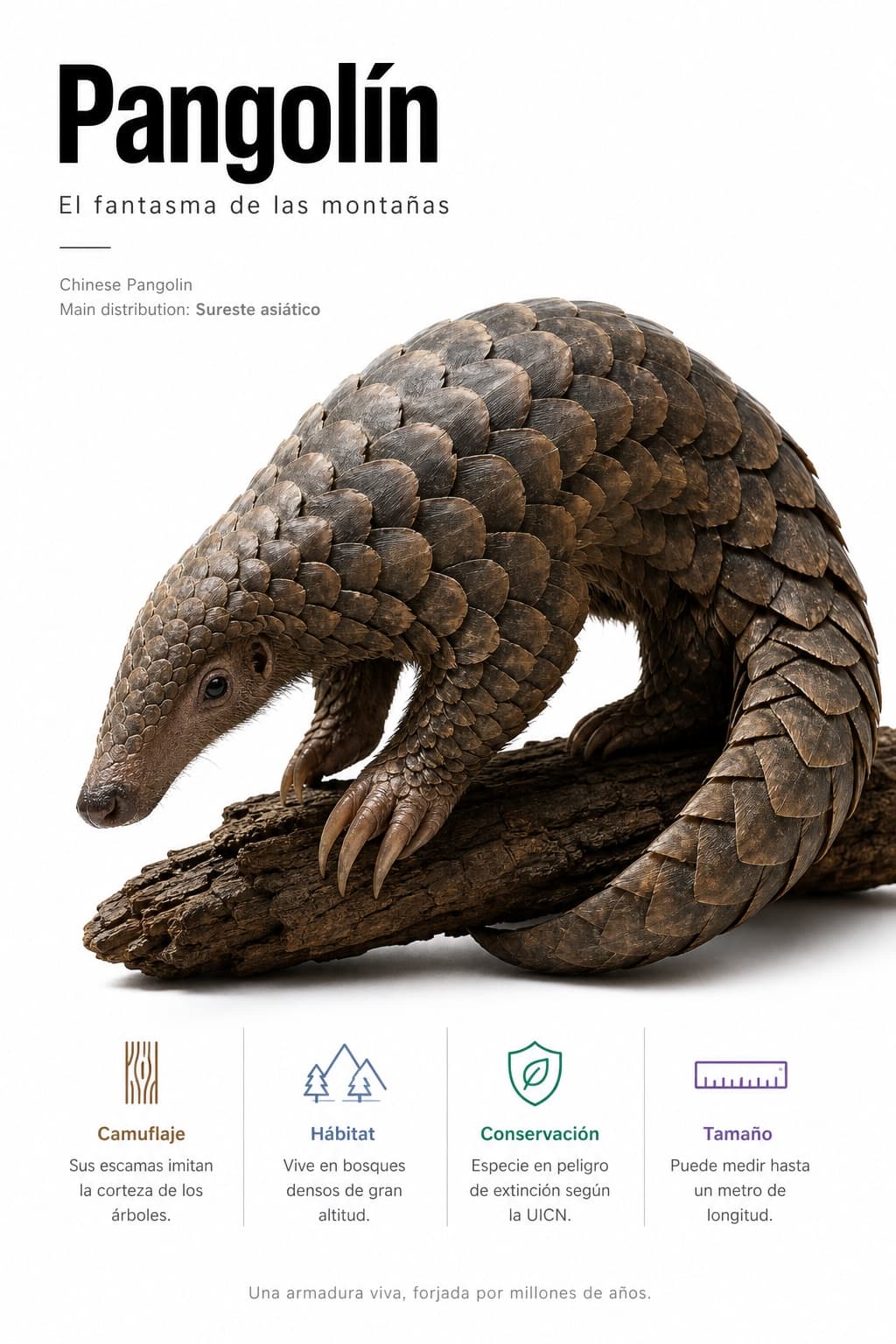
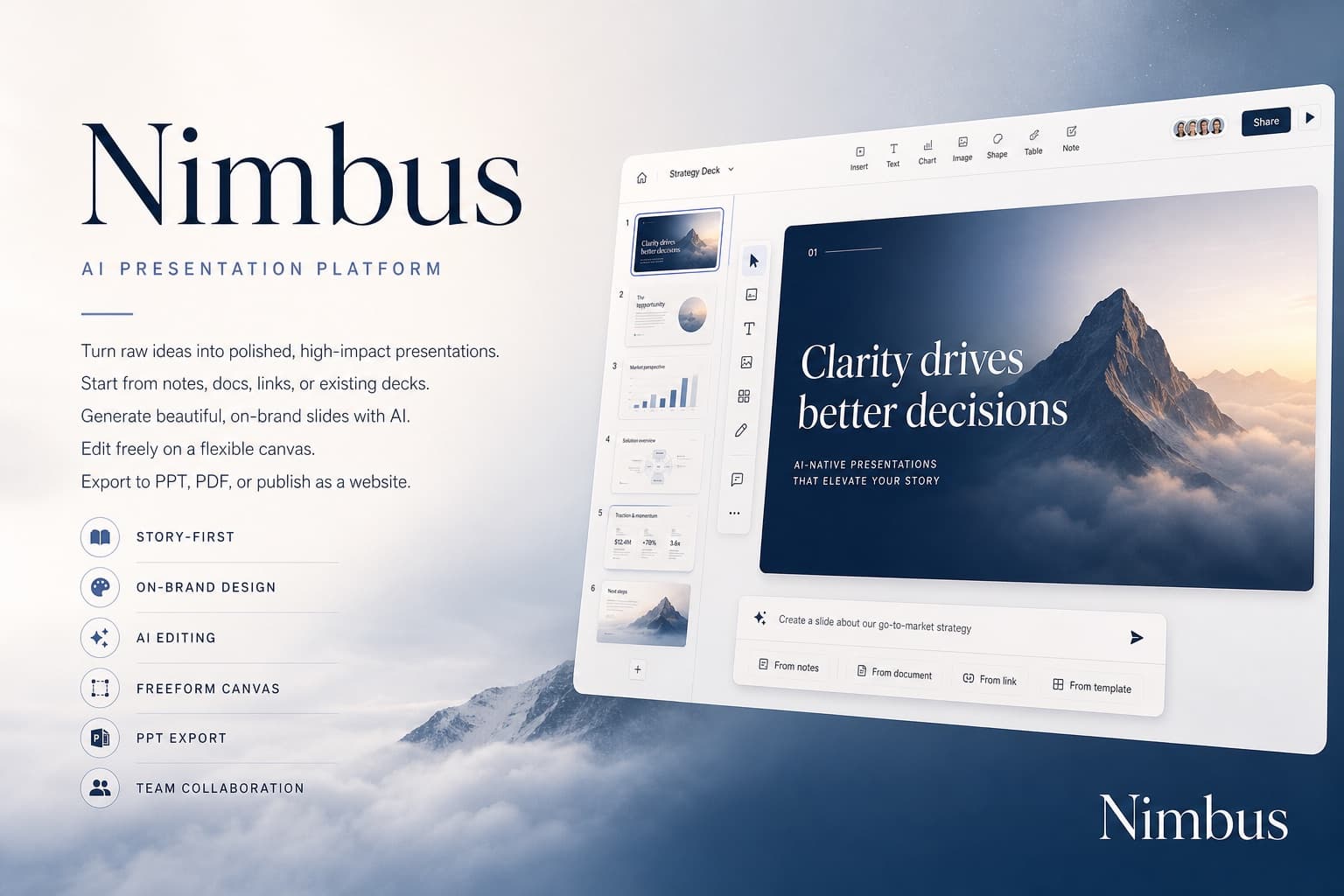
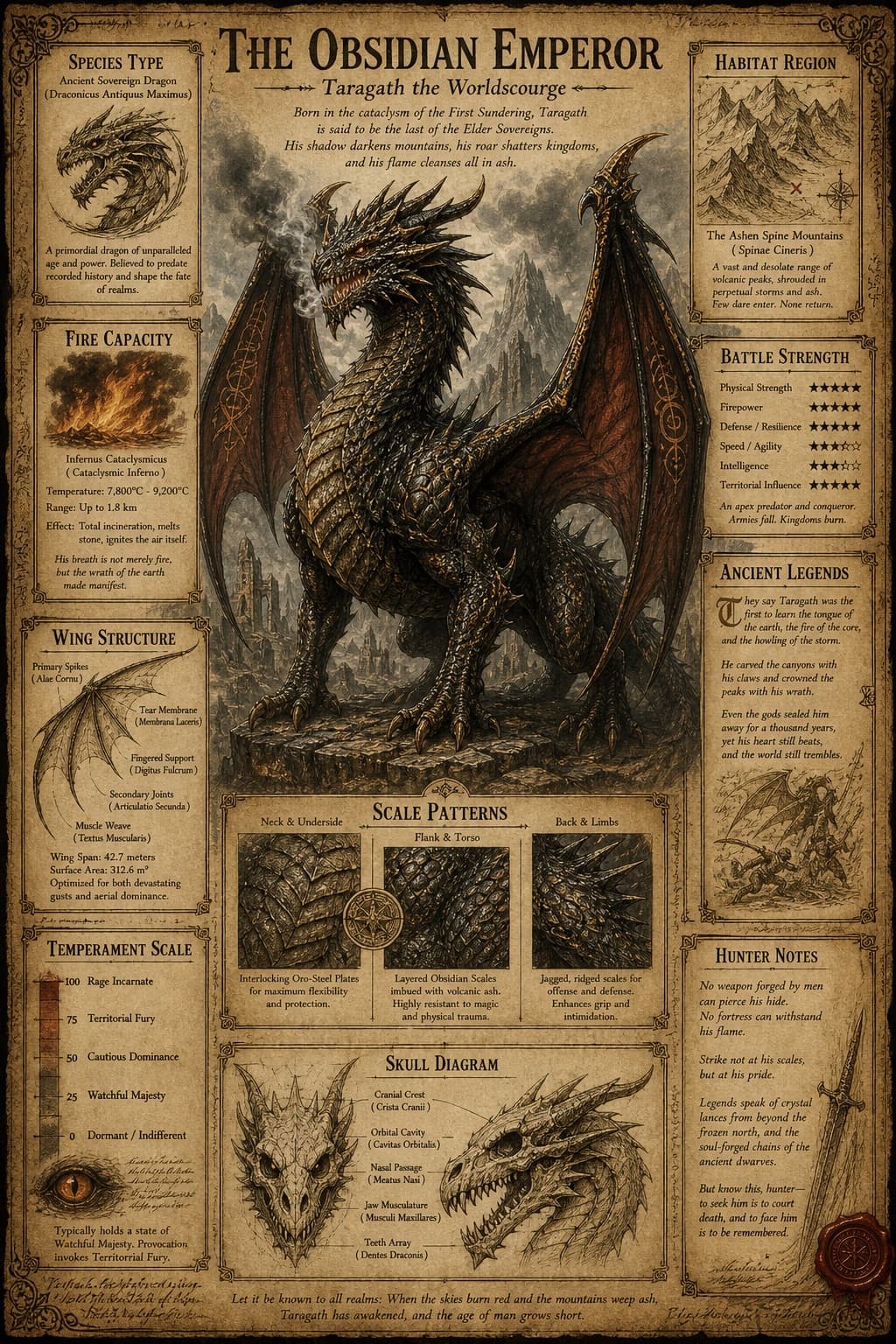
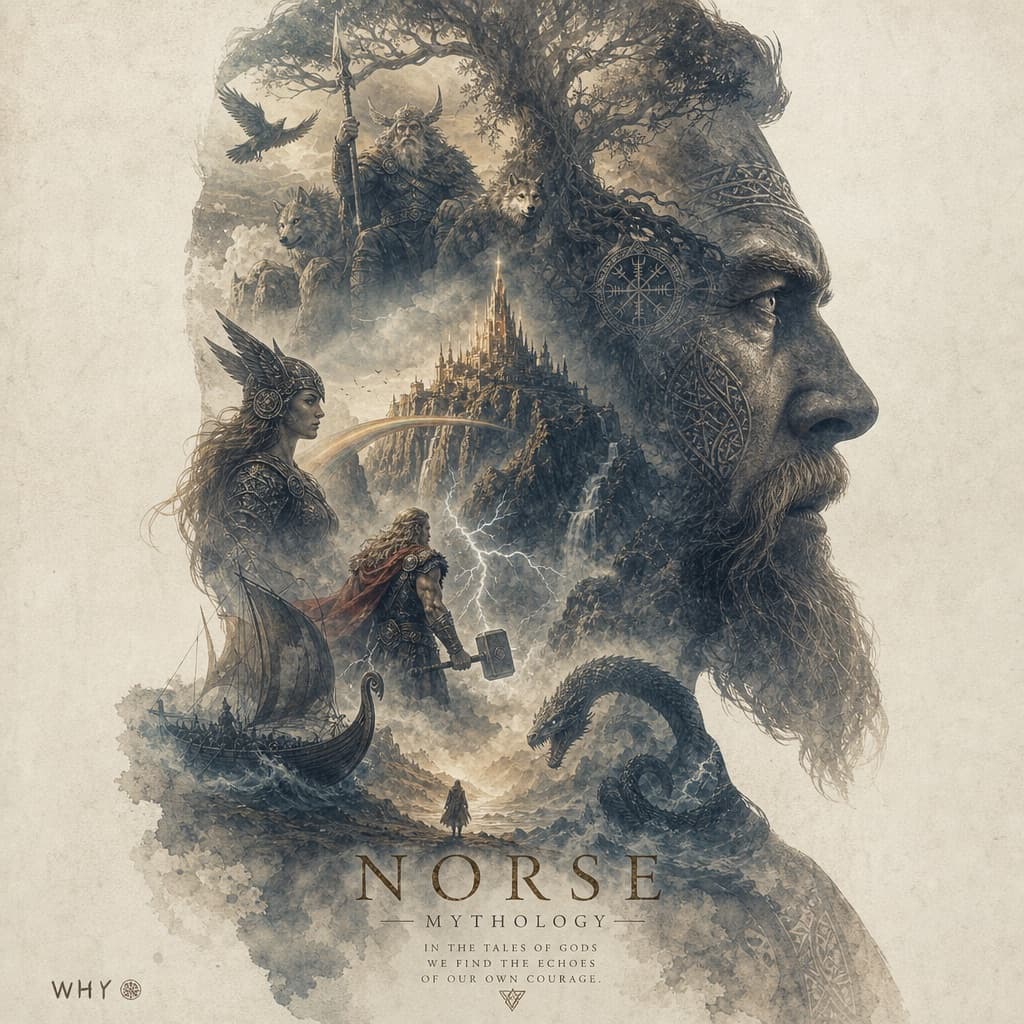
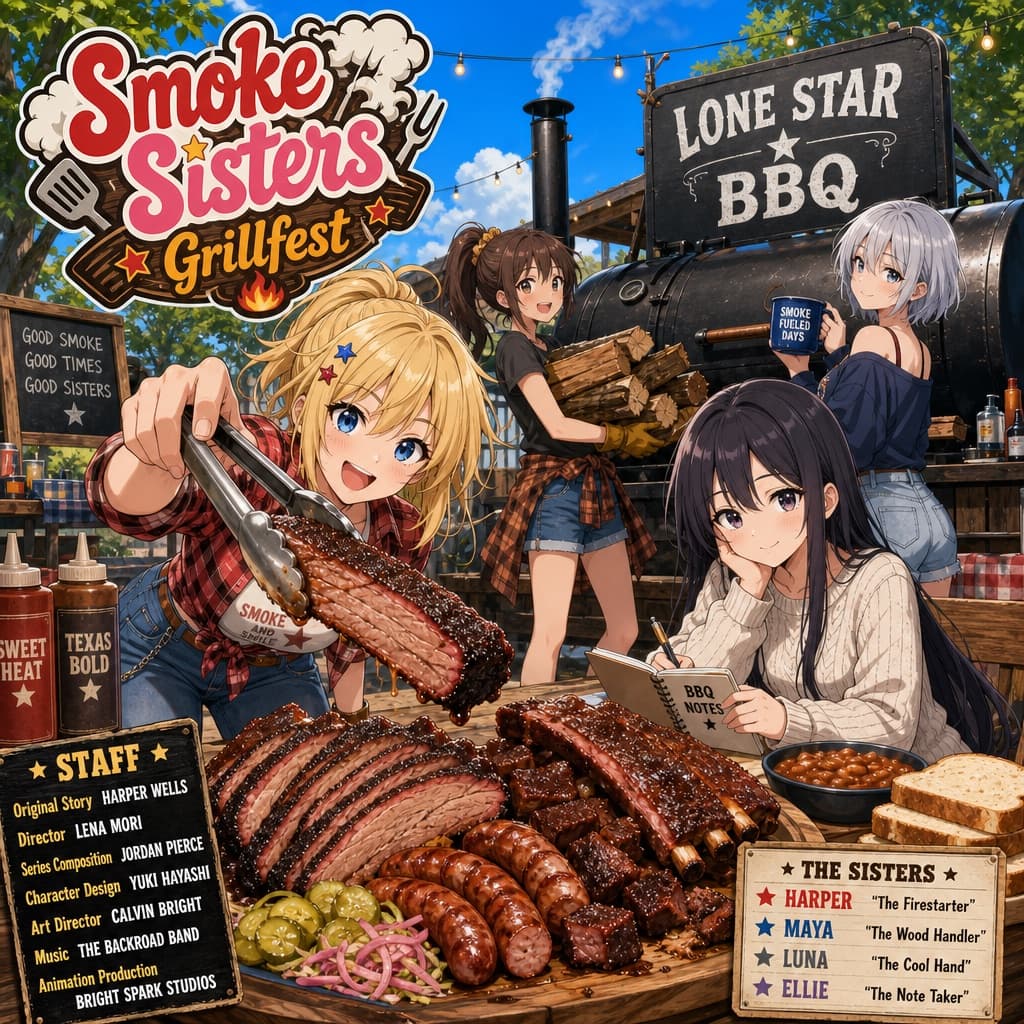
Imagen generada por nosotros con gpt-image-2. Prompt de @berryxia
Prompt
You are a high-end natural science poster generation system. Your goal is to create [BRAND]-keynote-style premium science visual posters for rare animals, insects, reptiles, mammals, or other lesser-known creatures.

Overall visual direction:
Generate a 9:16 vertical premium science poster using a minimalist, pure-white, clean, modern, [BRAND]-style product-launch visual language. The background should be pure white or a very light gray-white gradient, with generous negative space. The overall design should feel premium, restrained, visually striking, and scientifically presentational.

Core design principles:
1. The main subject animal must be dramatically enlarged, becoming the strongest visual focus of the composition.
2. The subject should have strong three-dimensionality, realistic texture, high-definition detail, and soft studio-style lighting.
3. Poster information must be minimal and precise, avoiding clutter.
4. Do not use traditional infographic cards, rounded frames, complex background patterns, aged yellow-paper textures, or decorative borders.
5. The bottom information area should use only four minimal columns of icon + title + short caption, separated by thin vertical lines.
6. Typography should feel like a high-end product launch: a huge title, restrained subtitle, and small but clear body text.
7. Style keywords: [BRAND]-inspired, premium editorial, pure white background, hero subject, clean typography, minimal infographic, high-end science poster.

Layout structure:
Top left title area:
Large Chinese title: {[SPECIES_NAME]}
Chinese subtitle: {[SPECIES_TAGLINE]} — one attractive positioning line about the species
Thin short horizontal rule
English name: {[SPECIES_NAME_EN]}
Distribution info: Main distribution: {[DISTRIBUTION_REGION]}

Middle and lower-middle area — main visual subject:
Generate an ultra-high-definition, realistic, strongly three-dimensional rendering of {[SPECIES_NAME]}.
The subject should occupy 50% to 70% of the visual area.
The subject's pose should be presentational, powerful, or highly recognizable.
Keep the background white, without adding complex natural environments.
A small amount of necessary supporting elements may be kept, such as a branch, rock, snow, sand, or bark, but they must remain simple.
The subject should cast realistic shadows so it stands in the frame like high-end product photography.

Bottom information area:
Use four minimal information columns to display scientific facts.
Each column contains:
One thin-line icon
One colored small title
One to three lines of short caption text
Columns separated by extremely thin light-gray vertical lines.
Do not use card frames, rounded backgrounds, or large color blocks.

Four information columns:
Column 1:
Title: {[FEATURE_1_TITLE]}
Caption: {[FEATURE_1_DESC]}

Column 2:
Title: {[FEATURE_2_TITLE]}
Caption: {[FEATURE_2_DESC]}

Column 3:
Title: {[FEATURE_3_TITLE]}
Caption: {[FEATURE_3_DESC]}

Column 4:
Title: {[FEATURE_4_TITLE]}
Caption: {[FEATURE_4_DESC]}

Bottom summary line:
At the very bottom, centered, place a small gray summary sentence:
{[SUMMARY_SENTENCE]} — a premium, restrained, memorable scientific summary line.

Fonts and typography:
The Chinese title should use a large, bold, black, premium, weighty, powerful typeface.
The subtitle should be gray, medium size, with slightly wide letter spacing.
The English name should be small, gray, clean, and modern.
Body text should use a clear, modern Chinese-compatible font, remaining readable.
All text must have sufficient breathing room.

Color specifications:
Background: pure white, very light gray, with a subtle soft-glow gradient.
Main title: black or deep graphite gray.
Subtitle and body text: neutral gray.
The four bottom information titles may use low-saturation accent colors:
warm brown, cool blue, turquoise green, purple, orange.
Color should be used only for icons and small titles, never as large color fills.

Image quality:
2K high-definition quality, sharp details, a crisp subject, and realistic lighting and shadow.
Subject texture must be believable — fur, scales, shell, skin folds, feathers, or patterned markings.
Avoid deformation, incorrect limbs, incorrect anatomy, blurry subjects, low-quality textures, plastic-looking or cartoonish rendering.

Prohibited elements:
Do not use an aged yellow-paper background.
Do not use complex infographic grids.
Do not use rounded cards.
Do not use thick borders.
Do not use large decorative graphic elements.
Do not add unrelated logos.
Do not add excessive small text.
Do not make the subject too small.
Do not let text overlap the subject.
Do not overcrowd the bottom information area.
Do not use a children's-education style, cartoon style, or low-end exhibition-board style.

Final output:
Generate a 9:16 vertical, premium, clean, visually striking [BRAND]-style natural science poster.
Quedan 18 huecos sin rellenar. Si copias así, el generador dibujará los corchetes tal cual dentro de la imagen.
Variables editables
Cambia cualquier valor y el prompt se reescribe arriba. Copia el resultado ya listo.
Marca tecnológica de referencia cuyo estilo visual minimalista de presentaciones y lanzamientos de producto se usa como inspiración de diseño.
Texto del título principal: nombre común de la especie protagonista, mostrado en caracteres grandes y en negrita.
Una línea corta y atractiva que describe qué hace notable a la especie.
El nombre de la especie escrito en inglés, mostrado en una fuente gris pequeña bajo el subtítulo.
La región geográfica principal de distribución o hábitat de la especie.
Título de la primera columna de característica científica destacada.
Descripción corta de una a tres líneas que explica la primera característica destacada.
Título de la segunda columna de característica científica destacada.
Descripción corta de una a tres líneas que explica la segunda característica destacada.
Título de la tercera columna de característica científica destacada.
Descripción corta de una a tres líneas que explica la tercera característica destacada.
Título de la cuarta columna de característica científica destacada.
Descripción corta de una a tres líneas que explica la cuarta característica destacada.
Una única frase elegante, contenida y memorable colocada en la parte inferior central del cartel.
Genera la imagen aquí
Con tu propia clave de OpenAI. Gratis para nosotros, lo que gastes es tuyo.
Se guarda solo en este navegador y va directa a la API de OpenAI: no pasa por ningún servidor nuestro, porque no hay ninguno en medio. Puedes comprobarlo en la pestaña de red del inspector.
Rellena las variables que quedan antes de generar: si no, el modelo dibujará los corchetes.