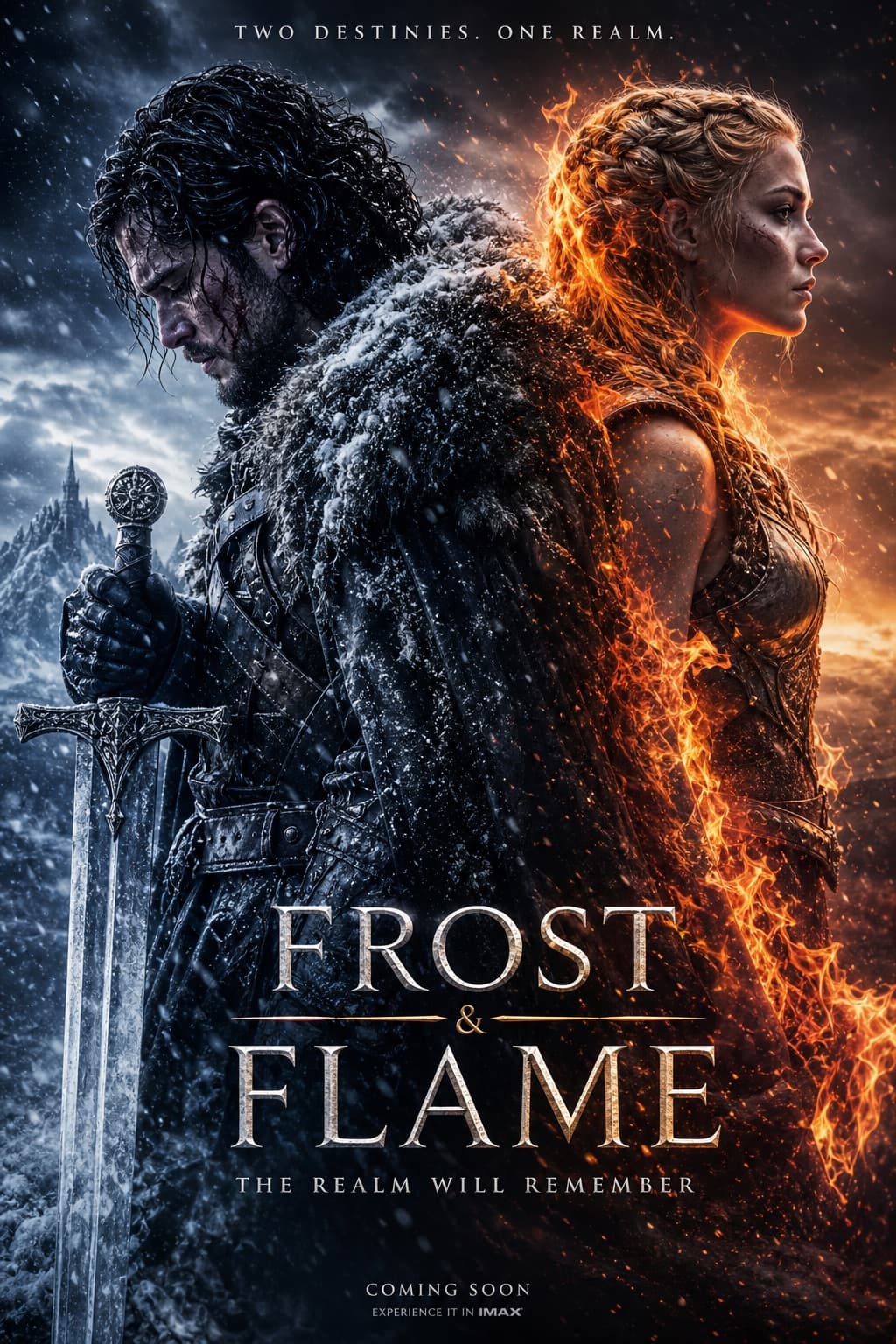
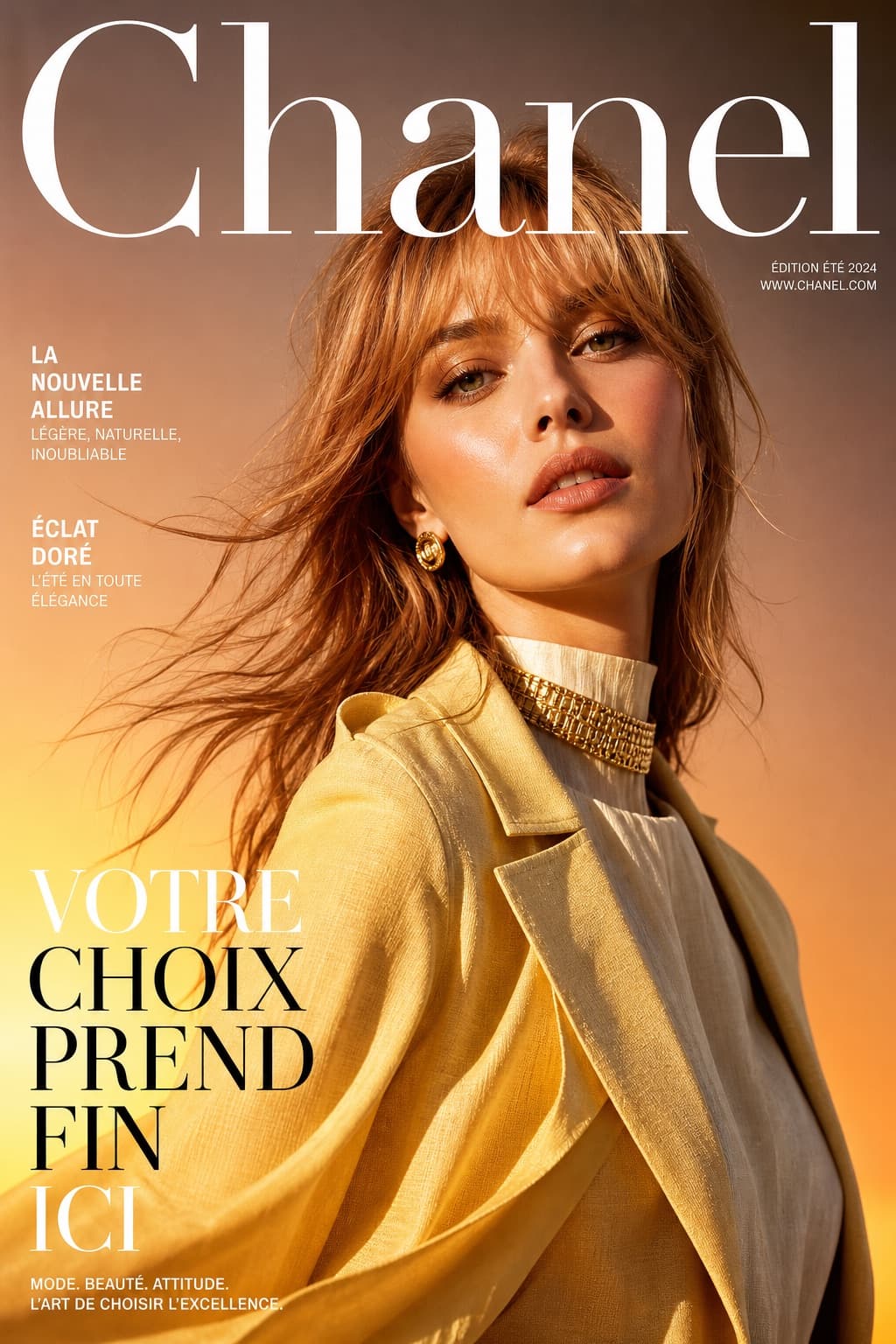
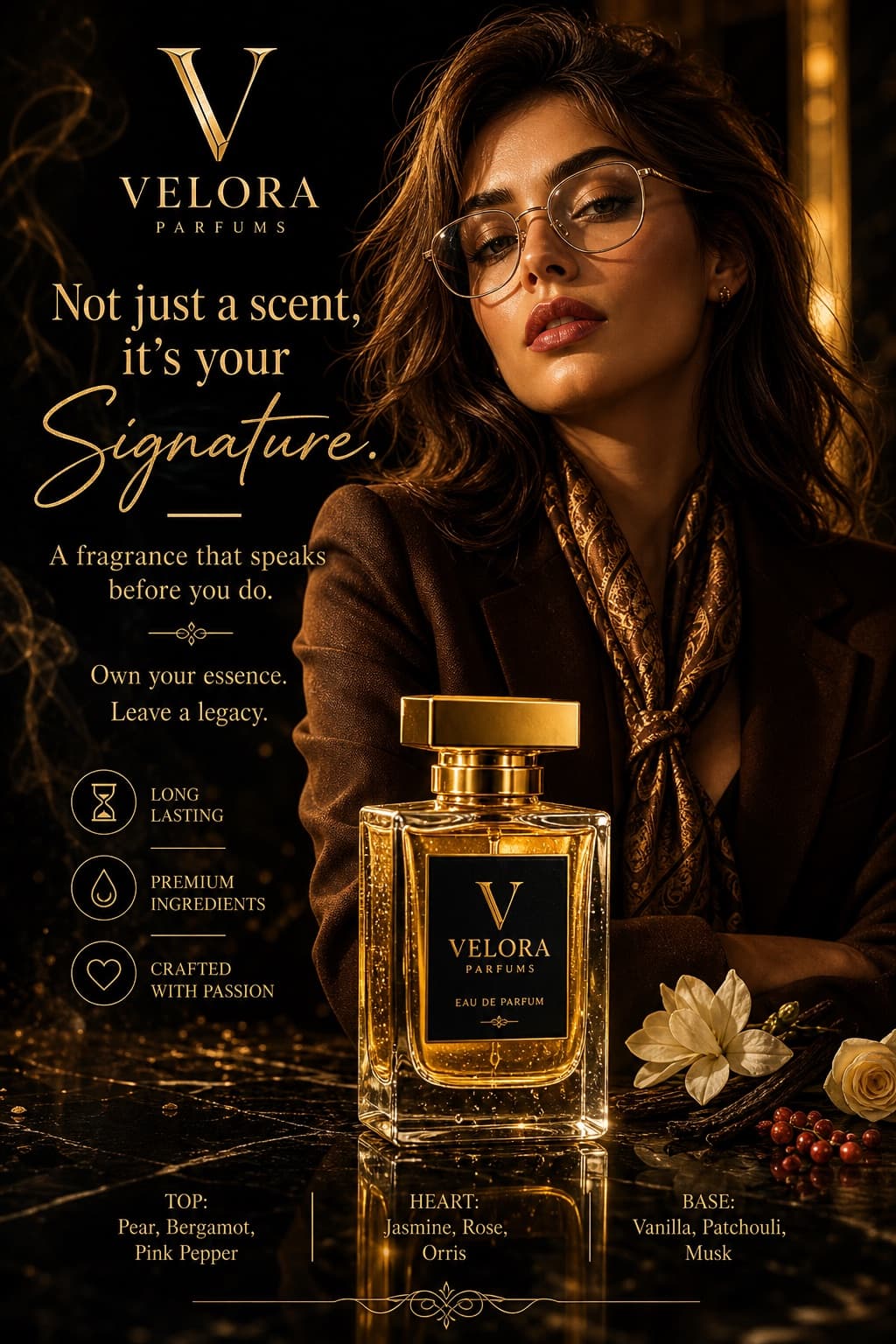
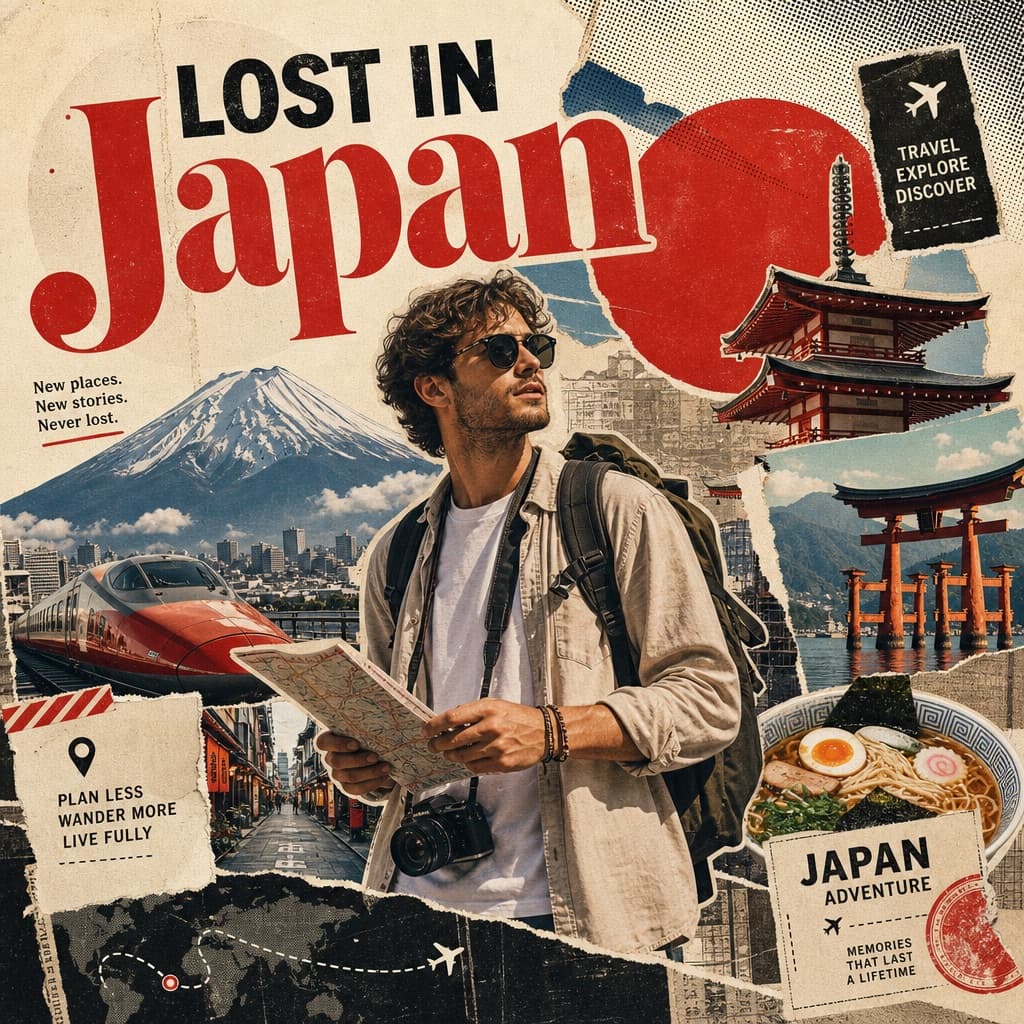
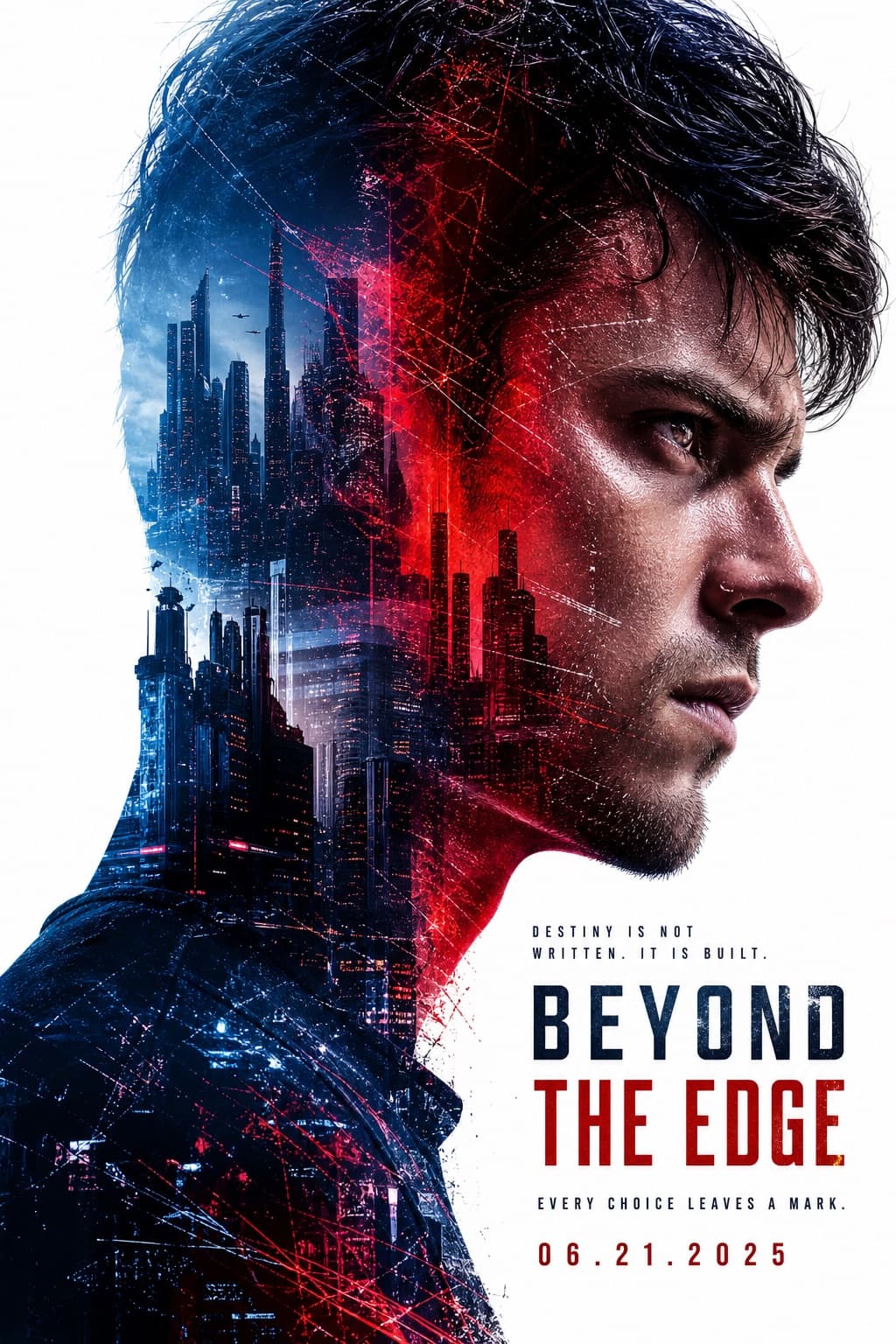
Experimental Editorial Portrait Poster
A bold fashion-editorial portrait poster blending realistic close-up photography with subtle graphic interference and striking typography.
Budget models do not render typography reliably; this case needs a higher tier.
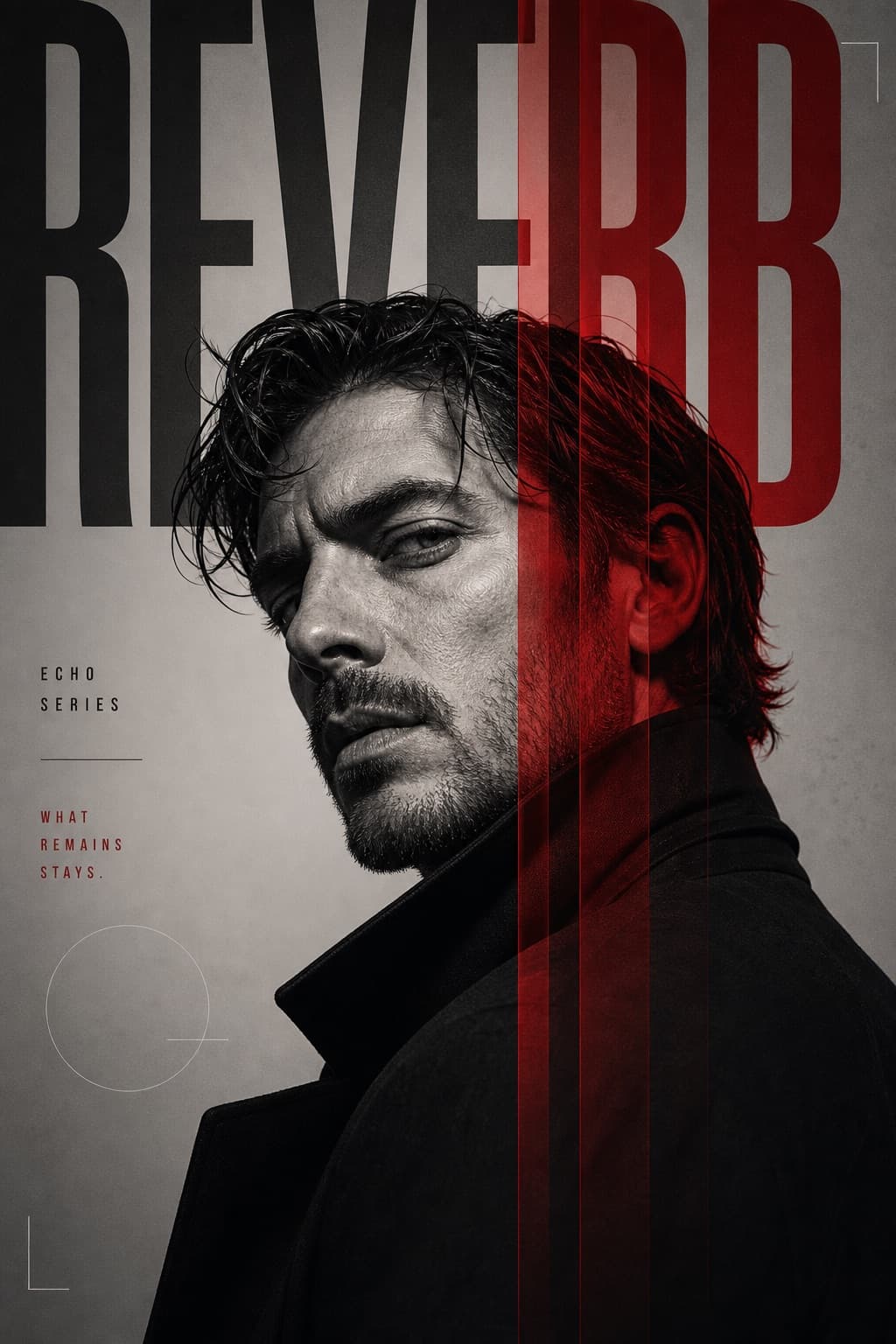
Image generated by us with gpt-image-2. Prompt by @Goodmanprotocol
Prompt
Create a medium-sized 9:16 experimental editorial portrait poster using the following customizable inputs:

Subject: [SUBJECT_TYPE]
Interference: [INTERFERENCE_TYPE]
Title: [TITLE_TEXT]
Palette: mostly neutral tones (black, white, grey, charcoal, or deep neutrals) plus [ACCENT_COLOR] as a single accent color
Mood: [MOOD_TYPE]

Create a striking close-up or waist-up portrait with the subject occupying a strong portion of the frame. Preserve realistic facial features, natural skin texture, authentic hair, realistic proportions, clear emotion, and a strong silhouette. The portrait must work visually as a fashion photograph before the graphic intervention is applied.

Use only one primary interference method, chosen from:

Color Split: Uneven translucent bands selectively shift, reveal, separate, or distort portions of the portrait.

Narrow Light Beam: A single controlled beam cuts across the face or body and continues naturally into the surrounding space.

Horizontal Cut: Bold horizontal bands interrupt selected areas of the portrait and interact with oversized typography.

Motion Veil: Keep the main portrait sharp while selected areas create subtle horizontal photographic motion trails.

Make typography an integral part of the composition. Use one dominant headline reading "[TITLE_TEXT]", allowing letters to crop beyond the frame, overlap the subject, disappear behind the body, or interact with the interference.

Keep supporting text minimal: one small series label and one short phrase.

Use mostly black, white, grey, charcoal, or deep neutral tones, plus one accent color. Keep skin tones natural and avoid excessive warmth or yellow grading.

Add only a few subtle graphic details such as fine lines, circles, or open corner marks when necessary.

The final composition should feel like a premium fashion editorial, contemporary photography poster, or experimental art-direction piece—clean, intentional, sophisticated, and visually balanced.

Avoid multiple competing effects, dense text, UI elements, heavy glitches, random collage, excessive decoration, numbering, "Vol." or "Issue" labels, sparkle symbols, logos, watermarks, distorted anatomy, plastic skin, oversaturation, and generic template aesthetics.

Keep the overall treatment medium in scale, refined, adaptable, and universally applicable to different people, titles, themes, palettes, and editorial concepts.
6 placeholders still empty. Copied as is, the generator will draw the brackets literally inside the image.
Editable variables
Change any value and the prompt rewrites above. Copy the finished result.
Description of the portrait subject's gender and age presentation.
The single graphic interference technique applied to the portrait.
The dominant headline text displayed in the poster composition.
The single accent color used alongside the neutral palette.
The overall emotional tone and stylistic treatment of the poster.
Generate the image here
With your own OpenAI key. Free for us, and what you spend is yours.
Kept in this browser only and sent straight to OpenAI's API: it never passes through a server of ours, because there is no server of ours in between. Check it yourself in the network tab.
Fill in the remaining variables before generating, or the model will draw the brackets.